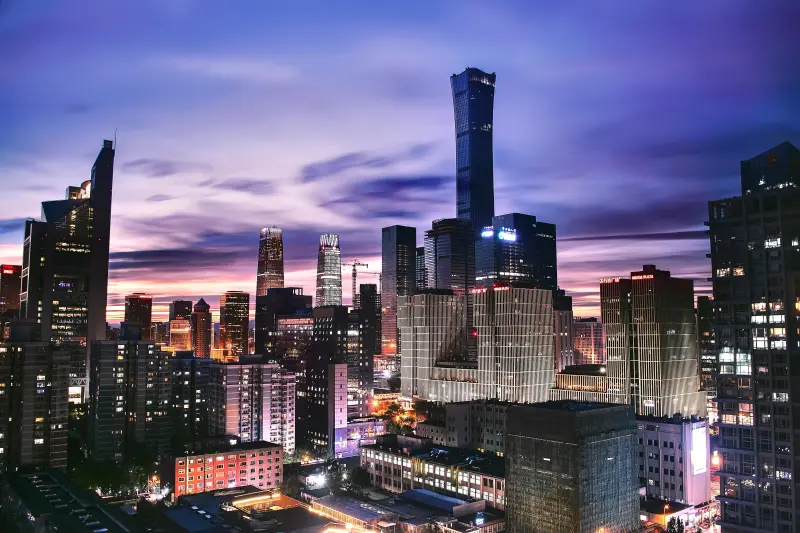
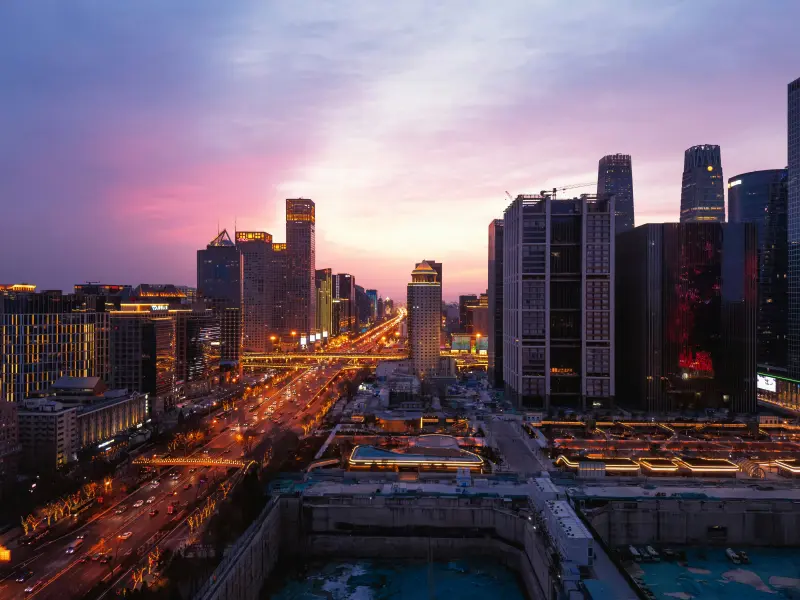
Beijing travel guide
北京

BeijingTravel Guide

Imperial capital, modern megacity, gateway to the Great Wall

A practical Beijing guide for international travelers: when to go, what to eat,
how to get around, and how to plan your China train journey.

Quick answer: Beijing is best for a 3–5 day first trip. Visit in April–May or September–October for the most comfortable weather. Use Beijing South for high-speed trains to Shanghai and Tianjin, Beijing West for Xi'an, Chengdu and Guangzhou, and Beijing Chaoyang for northeast China routes.

Overview

Stunning view of the Temple of Heaven in Beijing under a vibrant sunset sky.
Stunning view of the Temple of Heaven in Beijing under a vibrant sunset sky. Photo by Anh Nguyen

Beijing rewards travelers who slow down. Most people arrive thinking of the Forbidden City and the Great Wall, then discover the city's real character hiding in narrow hutongs, dumpling shops with no English menus, and parks where retirees practice taichi at dawn.

The city is huge — 16,000 square kilometers, twice the size of London. Don't try to "do" it in two days. Pick a few neighborhoods and walk them. The Forbidden City and Tiananmen Square are essential, but you'll remember the afternoon you got lost near Houhai Lake more than the museum tour.

Plan four to five days for a first trip. Three days covers the must-sees if you're moving fast; anything less and you'll skim the surface. The bullet train makes Beijing a natural starting point for trips to Xi'an (4.5 hours) or Shanghai (4.5 hours), so use it as your gateway, not your only stop.

Need help planning your Beijing trip?

We help international travelers plan China train routes, book tickets, and build practical Beijing itineraries.

Best Time to Visit Beijing

The Summer Palace in Beijing at sunset, showcasing traditional Chinese architecture.
The Summer Palace in Beijing at sunset, showcasing traditional Chinese architecture. Photo by Robert Stokoe

Beijing has four sharp seasons, and the difference between a good trip and a miserable one often comes down to which one you pick.

September and October are the sweet spot. Skies are clearer than any other time of year, temperatures sit in the 60s-70s°F (15-25°C), and the autumn light on the Great Wall is the postcard everyone wants. Book early — locals travel during the October 1-7 National Day holiday, and the Wall gets packed.

April and May are a close second, with cherry blossoms and milder crowds. Watch for occasional sandstorms in early April when winds carry dust from the Gobi Desert. Bring a mask just in case.

July and August are hot, humid, and crowded with domestic tourists on school break. Afternoon thunderstorms are common. Skip these months if you can.

Winter (December-February) is bitter cold — temperatures drop below freezing and the wind cuts through everything. Upside: prices crash, the Forbidden City under snow is unforgettable, and you can actually book a same-day table at Quanjude. Pack like you're going skiing.

Air quality has improved dramatically in the last decade. Smoggy days still happen, mostly in winter when coal heating kicks in. Check the AQI before heading out; download an app like AirVisual.

What to Eat in Beijing

Vibrant market stall with assorted roasted meats, showcasing culinary street food delicacies.
Vibrant market stall with assorted roasted meats, showcasing culinary street food delicacies. Photo by Dennise Anorico

Peking duck deserves the hype, but eating only duck in Beijing is like visiting Italy and only ordering pizza. The city's food scene runs from imperial-court dishes to working-class breakfast joints that haven't changed in decades.

For Peking duck, three names worth knowing: Quanjude is the famous one — touristy, but they invented the modern version, so worth one visit. Da Dong is upscale and refined, the duck thinner-skinned and less greasy. Siji Minfu is where Beijingers actually go; reasonable prices, no reservations needed if you arrive at off-hours, and the duck is genuinely better than Quanjude.

Beyond duck, try zhajiangmian — hand-pulled noodles topped with fermented soybean paste, julienned cucumber, and ground pork. It's the Beijing equivalent of pasta carbonara: simple, deeply satisfying, and every shop makes it slightly differently. Old Beijing Zhajiang Noodle King near Tiananmen does a good tourist-friendly version.

For a proper local breakfast, find a jianbing cart on a side street. Eight yuan ($1) gets you a savory crepe wrapped around a crispy cracker, egg, scallions, and chili sauce. Eat it while walking. This is what office workers grab before the morning commute.

Lamb hotpot is a Beijing winter specialty — the brass-pot, dipping-sauce, sit-around-the-table kind. Donglaishun is the classic restaurant. Even better: a hutong joint where the broth has been simmering since 1903.

Adventurous eaters should try luzhu (offal stew) at Yaoji on Beijing's food street Niujie, or chaogan (stir-fried liver) for breakfast. These aren't dishes most travelers love, but you'll have a story.

Practical note: many beloved local spots don't take credit cards or foreign payment apps. Set up Alipay or WeChat Pay before your trip — they now accept international cards, and you'll need them everywhere.

How to Get Around Beijing

a very tall building in the middle of a city
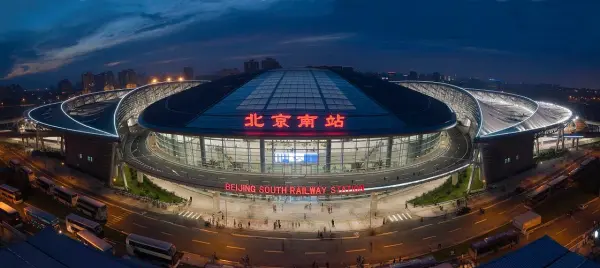
Beijing South Railway Station at night Photo by Christian Lue

Beijing's subway is the single best thing about getting around the city. It's clean, fast, cheap (3-7 yuan per ride, about $0.50-$1), and signs are in English. Buy a Yikatong transit card at any station — it works on the subway, buses, and even some convenience stores. Costs 20 yuan deposit, refundable when you leave.

The subway covers 90% of what you'll want to see. Tiananmen East/West for the Forbidden City, Yonghegong for the Lama Temple, Nanluoguxiang for hutong wandering. The lines run from around 5:30 AM to 11:00 PM.

For places the subway doesn't reach — most notably the Mutianyu section of the Great Wall — use Didi (China's Uber). It works through Alipay without needing a separate app. A trip to Mutianyu and back runs about 500-700 yuan ($70-100) for a half-day, much cheaper than a tour bus and infinitely more flexible.

From the airport, the Airport Express train (25 yuan, 25 minutes) connects PEK to the city subway at Dongzhimen. From Daxing (PKX), the Daxing Express runs to Caoqiao station for 35 yuan. Both are faster than a taxi during traffic, but if you have heavy luggage or arrive after midnight, just take a Didi.

Taxis are abundant but most drivers don't speak English. Always have your destination written in Chinese characters — your hotel can write it on a card. Avoid drivers who refuse the meter or quote a flat fare; they're breaking the law.

Walking is underrated. The hutong neighborhoods around Houhai, Nanluoguxiang, and the Drum Tower are best explored on foot or by shared bike (Hellobike, Mobike — both work via Alipay). Cycling around Beijing's core is one of the most enjoyable ways to see the old city.

A note on translation apps: Google Translate doesn't work without a VPN in China. Download Baidu Translate or have offline language packs ready on Google Translate before you cross the border.

Arriving in Beijing by Train

Chinese high-speed train at Yichang station with passengers and vendors.
Chinese high-speed train at Yichang station with passengers and vendors. Photo by Leon Huang

Beijing has four main railway stations. Which one you use depends on where you're heading.

Beijing South (北京南站) is the city's primary high-speed rail hub. Use it for G-trains to Shanghai (4.5 hours), Tianjin (30 minutes), Nanjing, Hangzhou, and Jinan. It's on Metro Line 4 and Line 14 — easy to reach from anywhere in the city. Arrive 30–40 minutes before departure if you're a foreign passport holder; the ID check queue is separate and slower than the Chinese ID lane.

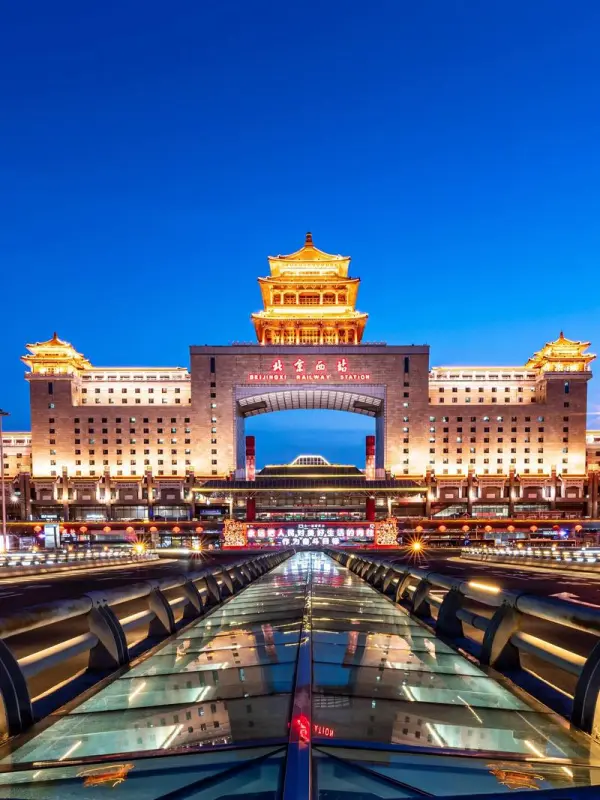
Beijing West (北京西站) handles routes heading south and west: Xi'an (4.5 hours), Chengdu (7.5 hours), Guangzhou (8 hours), Shenzhen, Wuhan, and Kunming. It's on Metro Line 7 and Line 9. The station is large and confusing — follow signs for your waiting room number, not the platform.

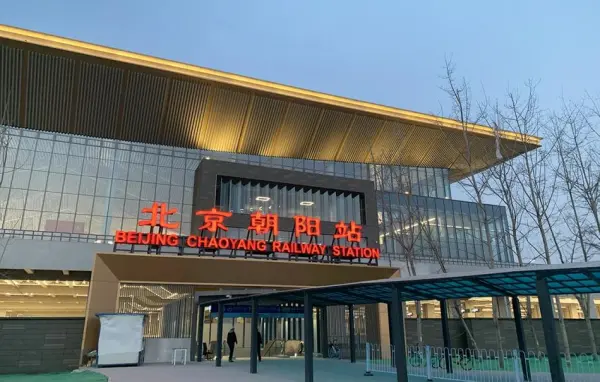
Beijing Chaoyang (北京朝阳站) is the newest station, opened in 2021. It serves some northeastern routes (Harbin, Shenyang, Changchun) and a few routes to Inner Mongolia. Metro Line 3 connects it. Less crowded than South or West.

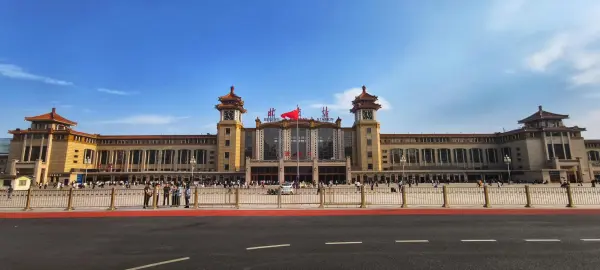
Beijing Railway Station (北京站) is the oldest, near Jianguomen on Metro Line 2. It mostly handles slower trains (K/T/Z series) and some routes to northeast China. Unless you're on a budget sleeper train, you probably won't use it.

Tips for foreign travelers: China Railway now supports ticketless boarding with passport for most G/D trains. Scan your passport at the gate — no paper ticket needed. But carry your booking confirmation (screenshot is fine) just in case the machine can't read your passport chip. If that happens, go to the manual counter with your passport and confirmation number.

Getting from the station to your hotel: Didi (China's Uber) works at all four stations. Follow signs to the ride-hailing pickup area — it's usually on the ground floor or B1. Subway is cheaper but not great with heavy luggage during rush hour.
Top Attractions in Beijing

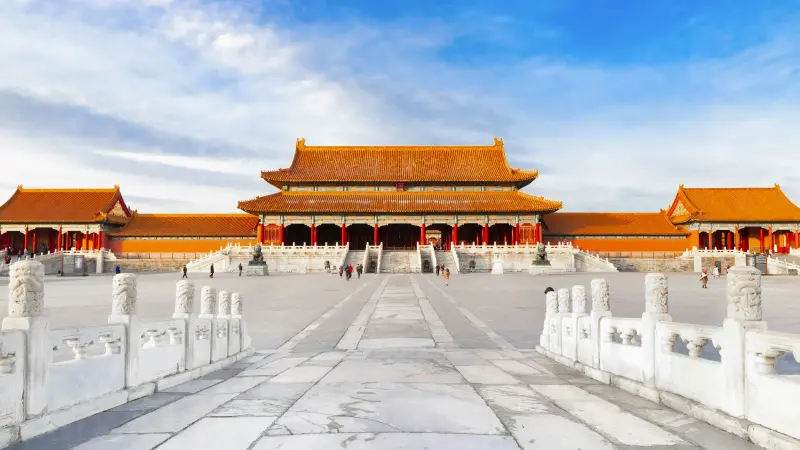
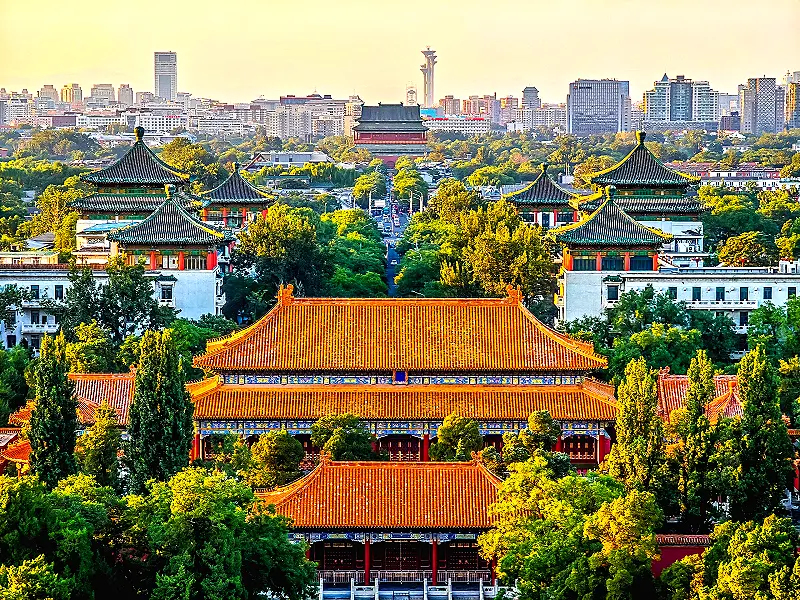
Forbidden City (Palace Museum)

Forbidden City (Palace Museum)

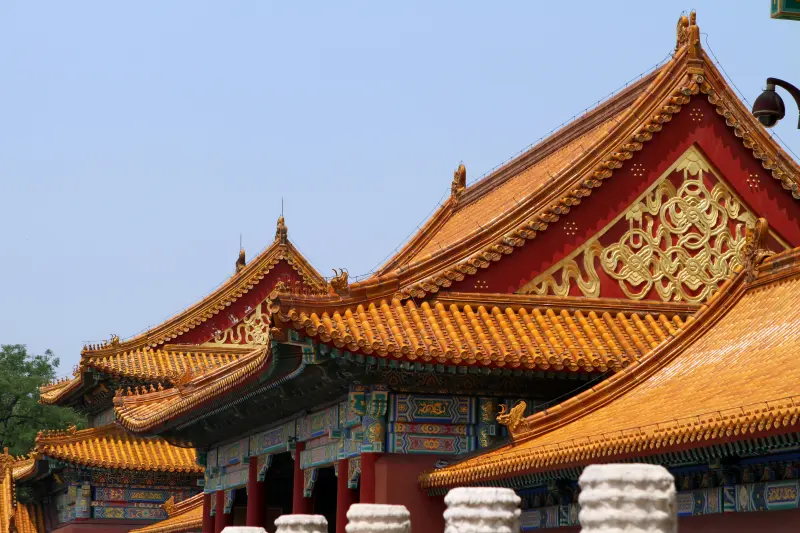
World's largest imperial palace — 600 years of history, 8,700 rooms, and the best rooftop view from Jingshan Park next door

Book online 7+ days ahead. Closed Mondays. Enter south gate, exit north into Jingshan Park for the overhead view.

🕐 3.5h 🎫 ¥60 History UNESCO
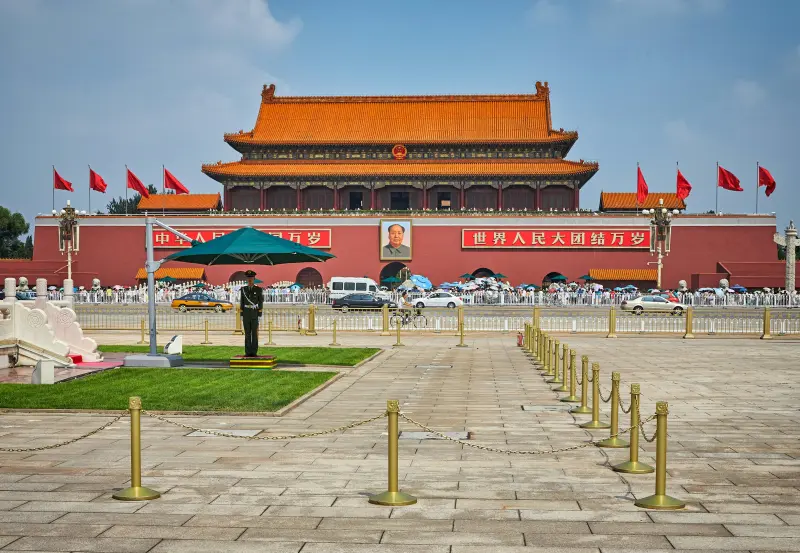
Tiananmen Square

Tiananmen Square

The world's largest public square — flag ceremony at sunrise, gateway to the Forbidden City

Free entry but bring your passport. Flag ceremony at sunrise is worth the early alarm. Security lines are long.

🕐 1.0h 🎫 Free History
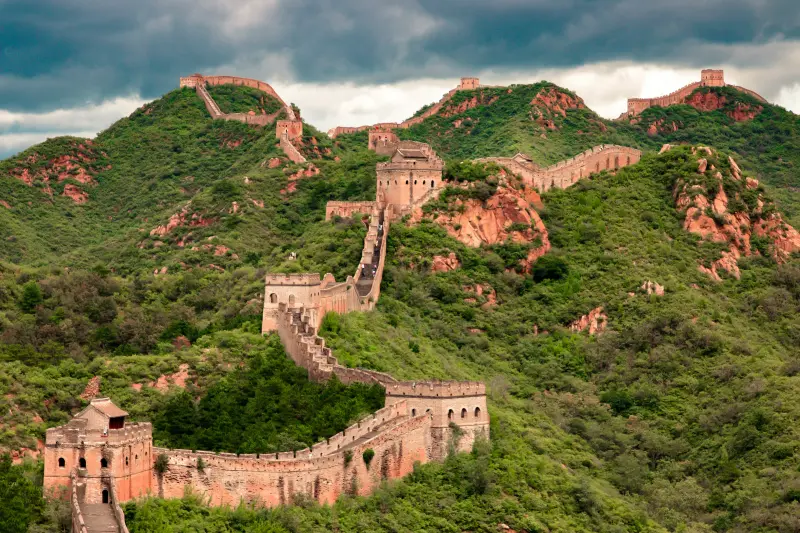
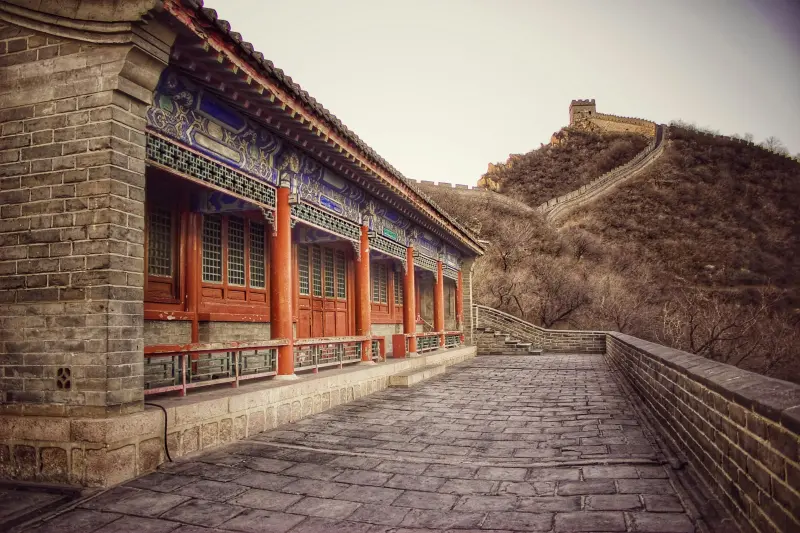
The Great Wall

The Great Wall

Multiple sections near Beijing — pick Mutianyu for scenery, Badaling for easy access, Jinshanling for photography

Pick Mutianyu for first-timers, Badaling for easy access, Jinshanling for photography. Avoid weekends.

🕐 5.0h 🎫 ¥40 History UNESCO
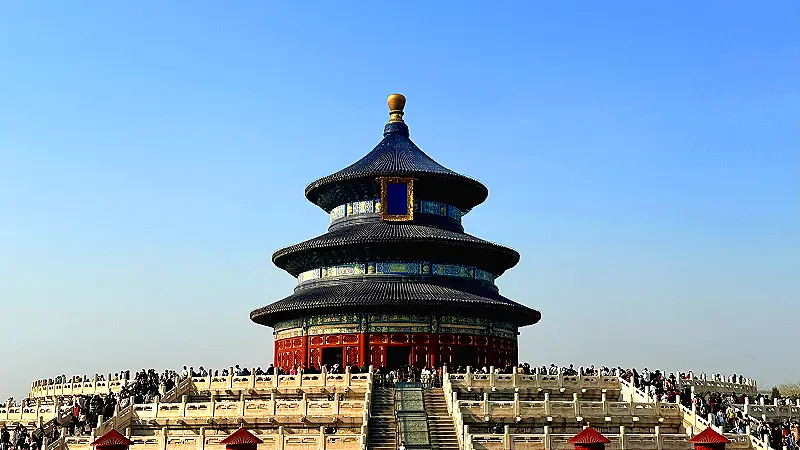
Temple of Heaven

Temple of Heaven

Where emperors prayed for good harvests — iconic blue-roofed Hall of Prayer, huge park with morning tai chi

Best in early morning when locals do tai chi. The park ticket and hall ticket are separate purchases.

🕐 2.5h 🎫 ¥34 History UNESCO
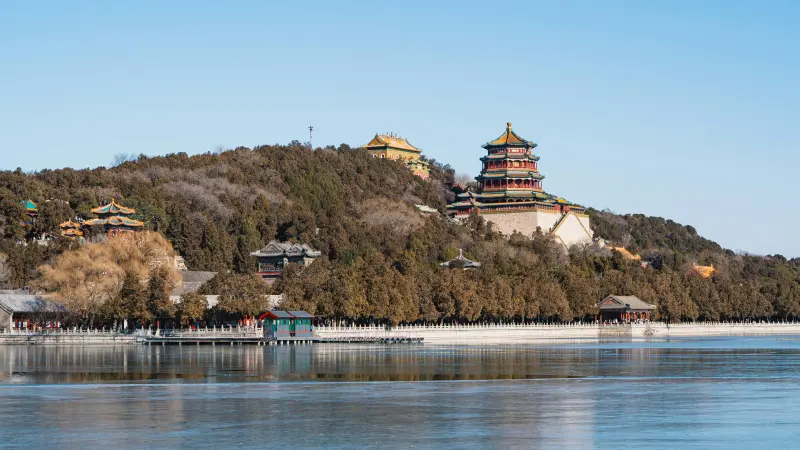
Summer Palace

Summer Palace

China's largest imperial garden — Kunming Lake, the Long Corridor, and Longevity Hill in one afternoon

Half-day minimum. Take the boat across Kunming Lake instead of walking around it. Crowded on weekends.

🕐 3.5h 🎫 ¥30 Park UNESCO
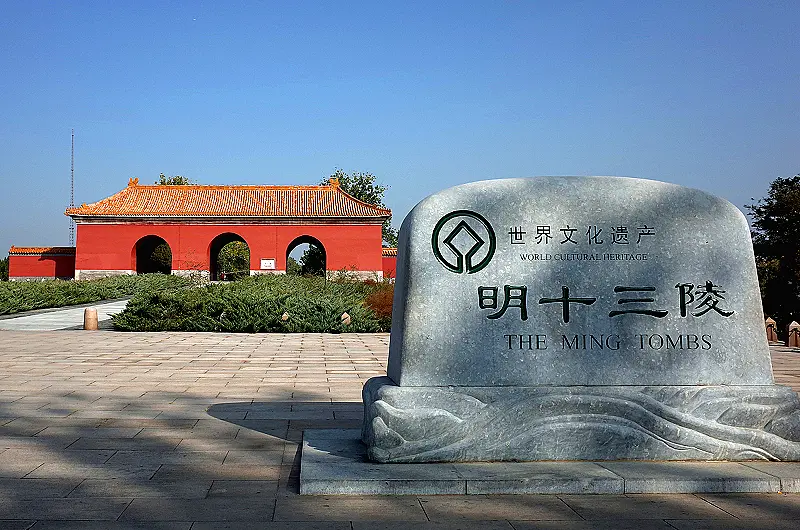
Ming Tombs (Shisan Ling)

Ming Tombs (Shisan Ling)

Burial complex of 13 Ming Dynasty emperors in a mountain valley

Combine with Badaling Great Wall in one day trip. Only Dingling tomb has an underground palace open.

🕐 3.0h 🎫 ¥45 History UNESCO
Beihai Park

Beihai Park

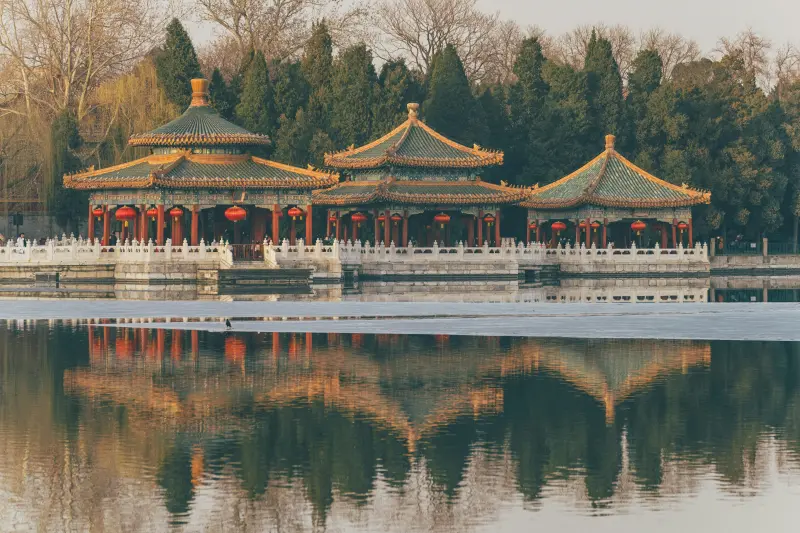
Imperial garden with a 1,000-year-old white dagoba and peaceful lake boating

Quieter alternative to the Summer Palace. Rent a boat in summer, walk the frozen lake in winter.

🕐 2.5h 🎫 ¥10 Park
Lama Temple (Yonghegong)

Lama Temple (Yonghegong)

Active Tibetan Buddhist temple with an 18-meter sandalwood Buddha

Active temple — dress respectfully. The 18m sandalwood Buddha on the top floor is the highlight.

🕐 1.5h 🎫 ¥25 Temple
Old Summer Palace (Yuanmingyuan)

Old Summer Palace (Yuanmingyuan)

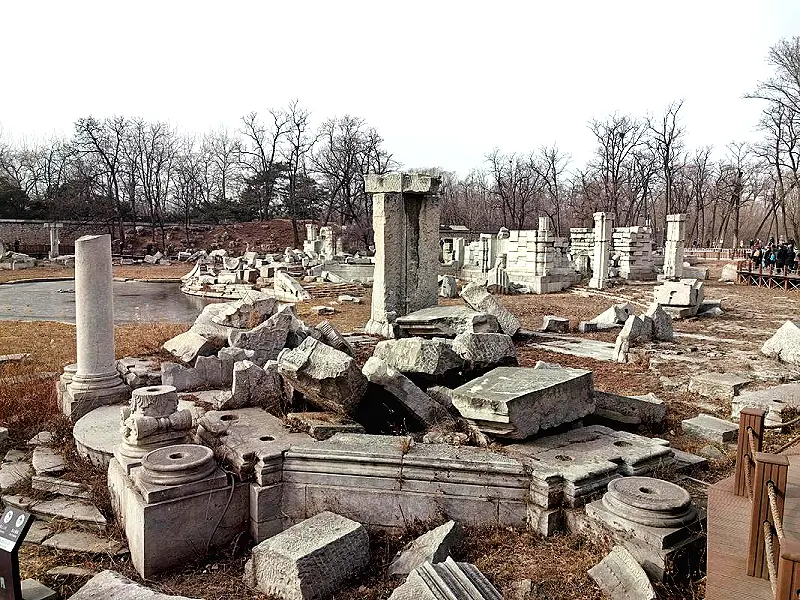
Ruins of a once-magnificent imperial garden, destroyed in 1860

Huge grounds, good for cycling. The Western-style ruins are the main photo spot. Less crowded than Summer Palace.

🕐 2.5h 🎫 ¥10 History
Nanluoguxiang

Nanluoguxiang

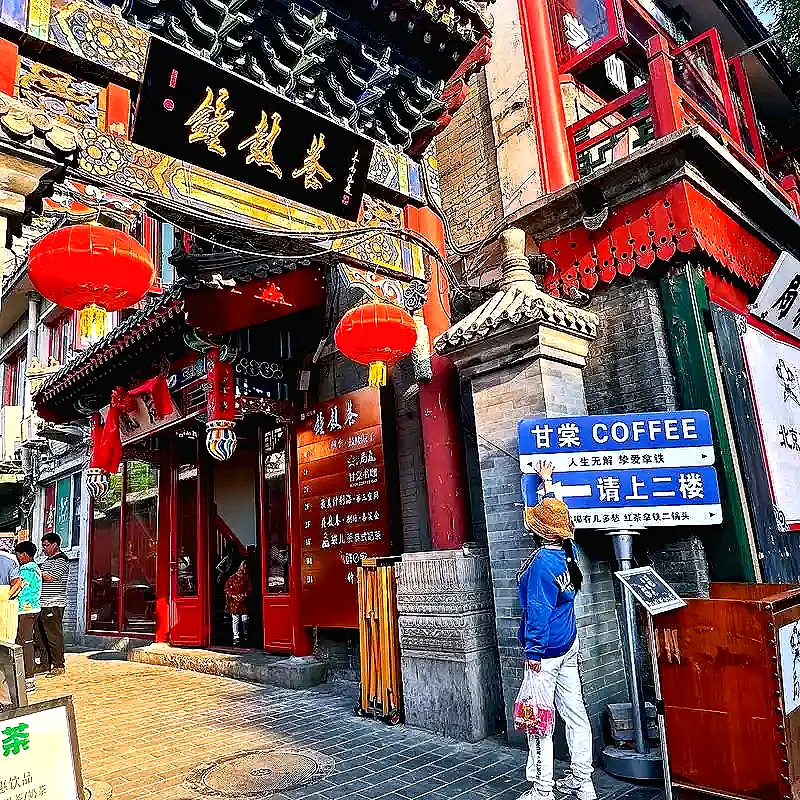
Beijing's most famous hutong street — touristy but photogenic

Touristy and overpriced. Better for photos than shopping. Visit on a weekday morning or skip entirely.

🕐 1.0h 🎫 Free Culture
Sanlitun

Sanlitun

Beijing's modern shopping and nightlife district near the embassy area

Shopping and nightlife, not sightseeing. Good for dinner and drinks after a day of temples.

🕐 2.0h 🎫 Free Culture
Wangfujing

Wangfujing

Beijing's main pedestrian shopping street, close to the Forbidden City

Skip the snack street (overpriced tourist traps). The main pedestrian road is fine for window shopping.

🕐 1.5h 🎫 Free Culture
Badaling Great Wall

Badaling Great Wall

The most accessible Great Wall section — 70km from central Beijing

Easiest access (S2 train from Beijing North, 20 min) but packed on weekends. Go early or pick Mutianyu instead.

🕐 3.0h 🎫 ¥40 History UNESCO
Jingshan Park

Jingshan Park

The best panoramic view of the Forbidden City, right behind its north gate

5-minute walk from Forbidden City north gate. Best panoramic view of the palace. Sunset is prime time.

🕐 1.0h 🎫 ¥2 Park
Fragrant Hills Park

Fragrant Hills Park

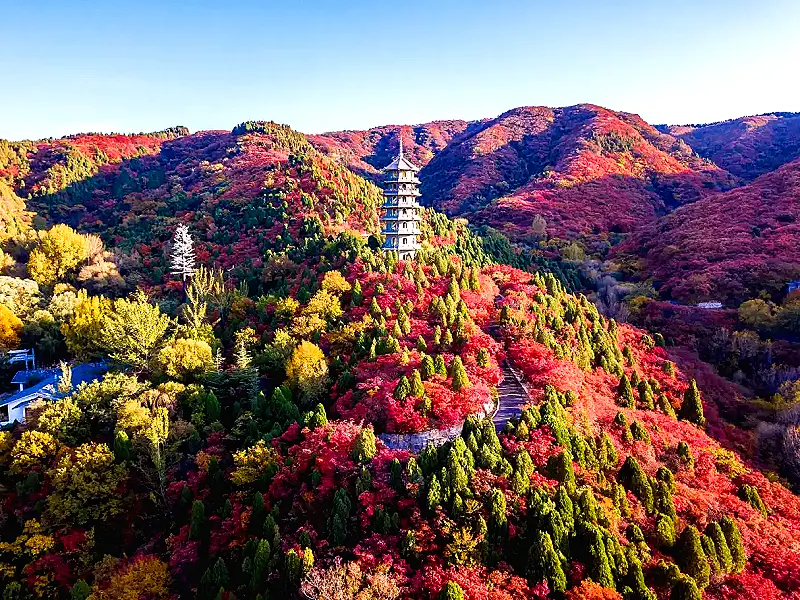
Beijing's go-to spot for autumn red leaves, with hiking trails and a cable car

Go in late October for red leaves. Cable car saves energy. Not worth the trip outside autumn.

🕐 3.5h 🎫 ¥10 Park
Prince Gong's Mansion

Prince Gong's Mansion

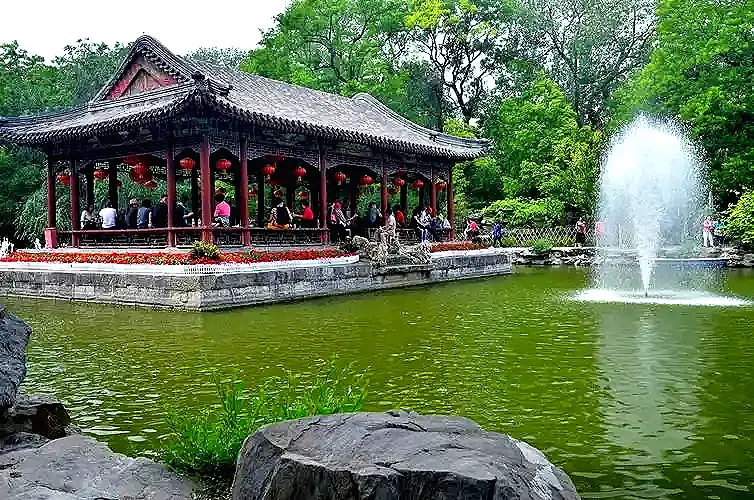
Beijing's best-preserved Qing dynasty royal mansion, tucked in the Shichahai hutong area

Tucked in the hutongs near Houhai. Small but well-preserved. Good combo with a Shichahai lake walk.

🕐 2.0h 🎫 ¥40 History
National Museum of China

National Museum of China

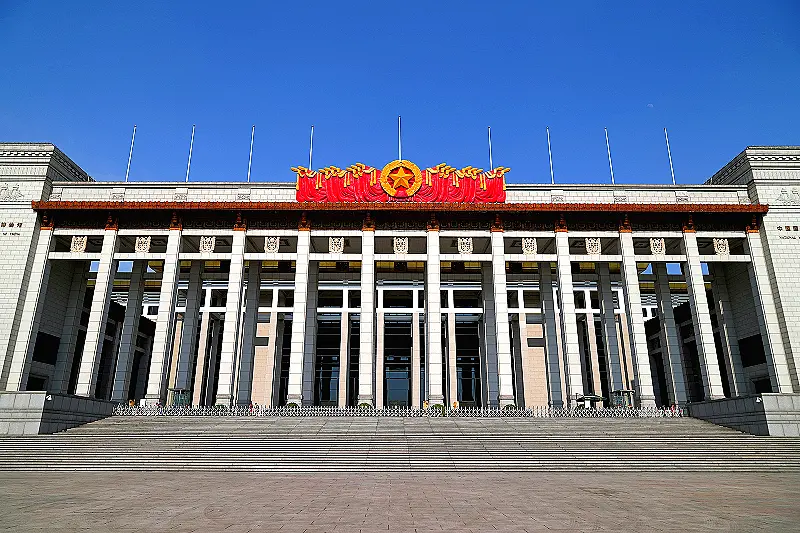
World's largest museum by floor area — free entry, 1.4 million artifacts, right on Tiananmen Square

Free entry, book online. Massive collection — pick 2-3 halls max or you'll burn out. Closed Mondays.

🕐 2.5h 🎫 Free Museum
Bird's Nest & Water Cube (Olympic Park)

Bird's Nest & Water Cube (Olympic Park)

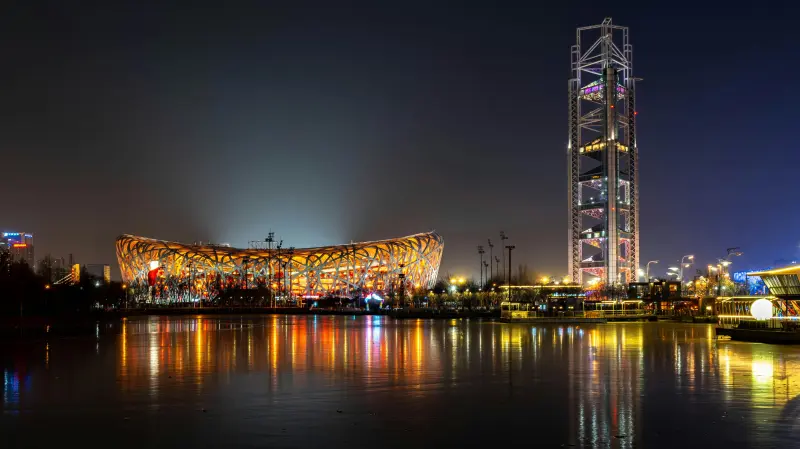
2008 Olympic icons side by side — Bird's Nest steel lattice, Water Cube blue glow at night

Worth seeing lit up at night from outside. Going inside is skippable unless you're an Olympics fan.

🕐 1.5h 🎫 ¥50 Culture
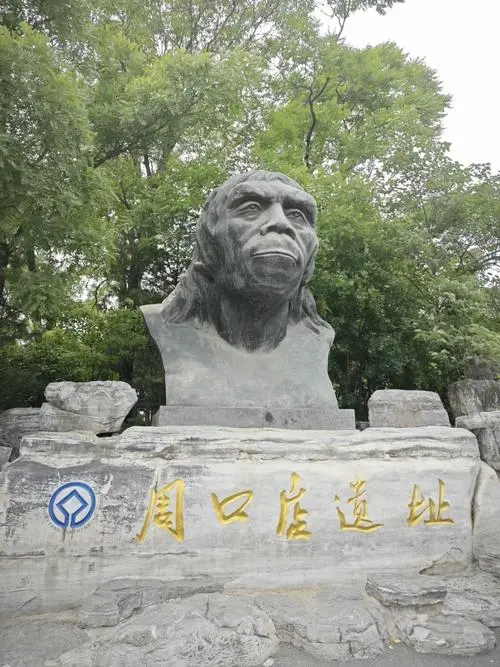
Zhoukoudian Peking Man Site

Zhoukoudian Peking Man Site

Where 500,000-year-old Peking Man fossils were discovered — a UNESCO site 50 km southwest of Beijing with a modern museum and original cave excavation

For archaeology buffs only. 50 km from city center, half-day trip. The museum is modern and well done.

🕐 2.5h 🎫 ¥30 History UNESCO
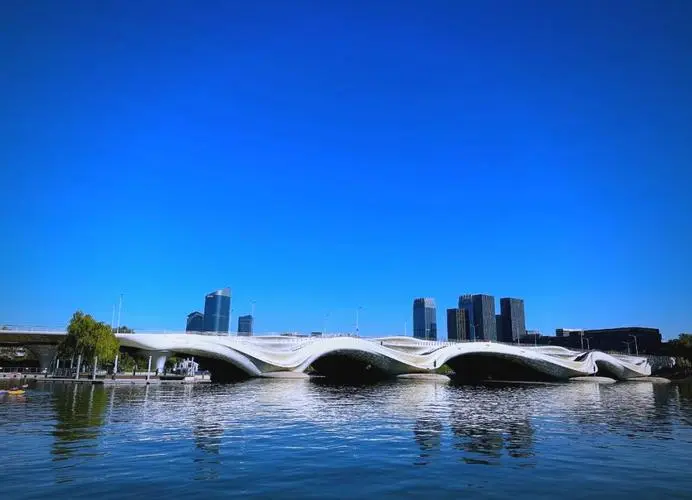
The Grand Canal (Tongzhou Section)

The Grand Canal (Tongzhou Section)

Beijing's section of the 1,800 km UNESCO Grand Canal — cruise boats, a free forest park, and the new Grand Canal Museum in Tongzhou

New development in Tongzhou. Good for a half-day escape — boat cruise, forest park, canal museum. Far from center.

🕐 3.0h 🎫 Free Nature UNESCO
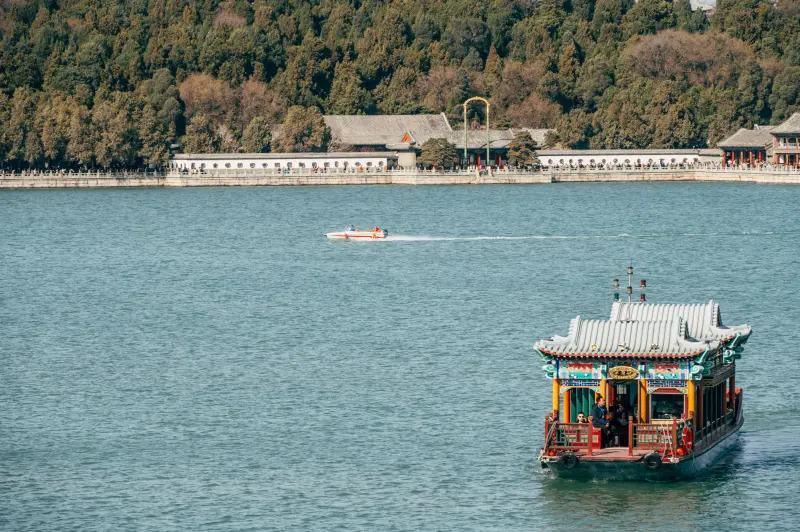
Kunming Lake

Kunming Lake

The 2.2 km² lake at the heart of Summer Palace — dragon boat rides, willow-lined shores, and the Seventeen-Arch Bridge

Included in Summer Palace entry (¥30 peak / ¥20 off-season). Boat rides ¥60-100 extra. Best in spring/autumn mornings before 10am.

🕐 1.5h 🎫 Free Nature UNESCO

Popular Train Routes from Beijing

High-speed trains connect Beijing to major cities across China. Here are the most popular routes:

Beijing Travel FAQ

Quick answers to questions foreign travelers ask most about Beijing.

How many days do you need in Beijing?
3 to 5 days is ideal for first-time visitors. This gives you enough time to see the Great Wall, Forbidden City, Temple of Heaven, and Summer Palace without rushing.
What is the best time to visit Beijing?
April to May (spring) and September to October (autumn) offer the most comfortable weather. Summers are hot and humid; winters are cold and dry but less crowded.
Is Beijing safe for tourists?
Yes, very safe. Violent crime is almost unheard of. Your main annoyances will be pushy souvenir sellers near the Forbidden City and aggressive taxi drivers outside train stations. Stick to Didi or the subway and you'll be fine.
Which Beijing train station should I use?
Beijing South for Shanghai, Tianjin, Nanjing, Hangzhou (most G-trains heading south/east). Beijing West for Xi'an, Chengdu, Guangzhou, Shenzhen (south/west routes). Beijing Chaoyang for Harbin, Shenyang, and northeast routes. The old Beijing Station mostly handles slower K/T trains — you probably won't need it.
Is Beijing South or Beijing West better?
Depends where you're going. South is newer, cleaner, and handles the Shanghai/Tianjin bullet trains. West is bigger and more chaotic but covers Xi'an, Chengdu, and Guangzhou. Both connect to the subway. If your ticket says "北京南" that's South; "北京西" is West.
Can foreigners use ticketless boarding in Beijing?
Yes, most G and D trains now support passport scan at the gate — no paper ticket needed. But some older gates can't read foreign passports. If the machine rejects yours, go to the manual lane (usually on the far right). Keep a screenshot of your booking confirmation just in case.
How early should I arrive at Beijing train station?
At least 40 minutes before departure. Foreign passport holders go through a separate ID check that's slower than the Chinese ID card lane. During holidays (October Golden Week, Chinese New Year), make it a full hour — the security queues get brutal.
How do I get from Beijing airport to the city center?
From Capital Airport (PEK): Airport Express to Dongzhimen, 25 minutes, ¥25. From Daxing Airport (PKX): Daxing line to Caoqiao, 19 minutes, ¥35. Taxi runs ¥100-150 to central hotels. Didi works at both airports — follow signs to the ride-hailing pickup zone on the ground floor.
Do I need Alipay or WeChat Pay in Beijing?
Strongly recommended. Many small restaurants, street food stalls, and even some taxis only take mobile payment. Alipay now lets foreign tourists link a Visa/Mastercard directly — set it up before you land. Cash still works at hotels and bigger restaurants, but you'll hit friction without a payment app.
What is the best Great Wall section near Beijing?
Mutianyu for first-timers — restored, has a cable car, less crowded than Badaling. Badaling is the easiest to reach (direct train from Beijing North, 20 minutes) but packed on weekends. Jinshanling is the photographer's pick: wild sections, fewer people, but 2.5 hours by car. Skip Simatai unless you want the night tour.
Can I visit the Great Wall and Forbidden City in one day?
Technically yes, but you will rush both and enjoy neither. The Great Wall takes a full morning plus transport. The Forbidden City needs 3-4 hours minimum. Split them across two days. If forced to choose one day, pick the Great Wall -- the Forbidden City is easier to squeeze into a shorter slot.

Written by China Train Travel local team · Last checked: · Station info and timetable data reviewed against China Railway schedules.

Ready to visit Beijing?

Let our China-based team shape a practical itinerary around your route, or search train tickets yourself.