The Quick Answer
How early should you arrive at a Chinese train station? 30 minutes minimum. 45 during holidays. You'll go through ID verification, airport-style security, and timed boarding gates. The whole process is efficient once you know it — but if you're late, the gates close 5 minutes before departure and there's no getting through.
One of our travelers from Germany told us: "I almost missed my train in Shanghai because I didn't realize there was a security check. In Europe you just walk onto the platform." That's the key difference — Chinese stations are more like airports than European rail terminals.
What to Prepare Before You Leave Your Hotel
Your passport is your ticket. Since 2019, China uses an e-ticket system — your passport number is linked to your booking electronically. No paper ticket needed, no collection counter to visit. Just bring:
- Your passport (must match the one used to book — including middle name if shown)
- A screenshot of your booking (backup in case of system issues, but 99% of the time you won't need it)
- 30–45 minutes of buffer time
Honestly? The process is faster than most airports. Our Beijing team times it regularly: on a normal weekday, entry to platform takes 8–12 minutes. But during Spring Festival? Triple that.
Entering the Station: ID Check
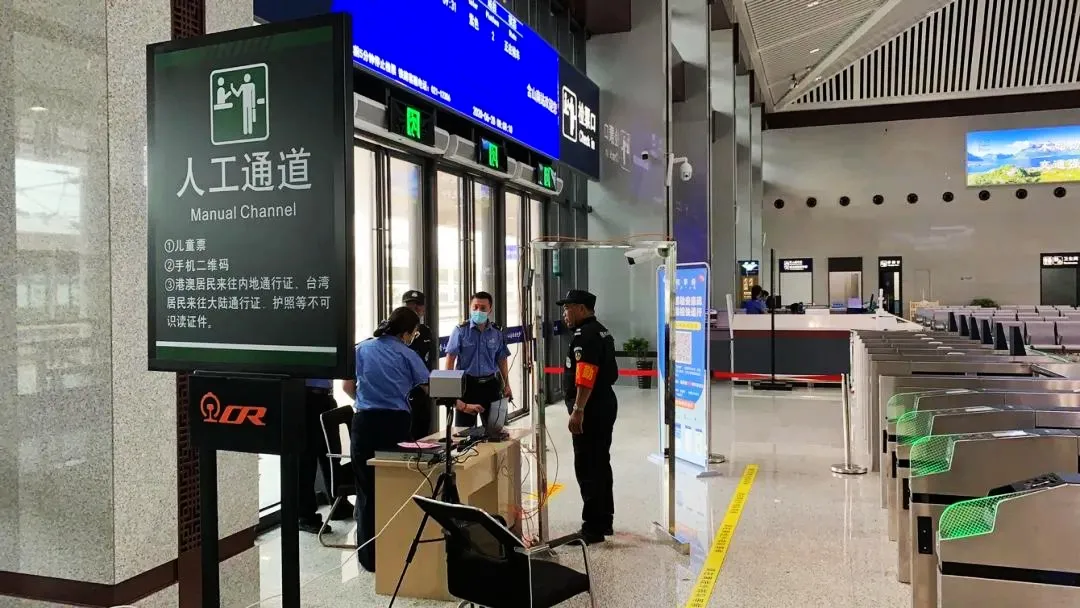
First barrier: identity verification at the entrance. Chinese citizens tap their ID card on a machine and walk through in 2 seconds. Foreigners? Different story.
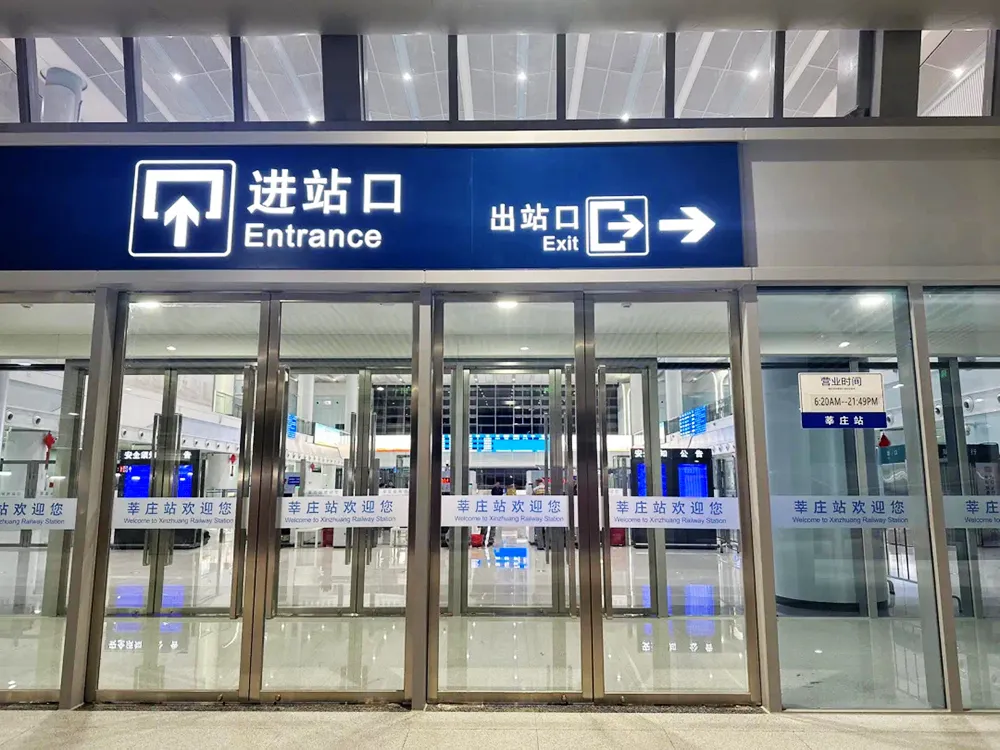
You'll be directed to the manual verification window (人工通道). A staff member scans your passport photo page, confirms you have a valid booking for today, and waves you in. Takes 10–30 seconds per person. During peak hours there might be 5–10 people ahead of you in the manual lane — this is the main reason to arrive early.
Business Class: Skip the Queue
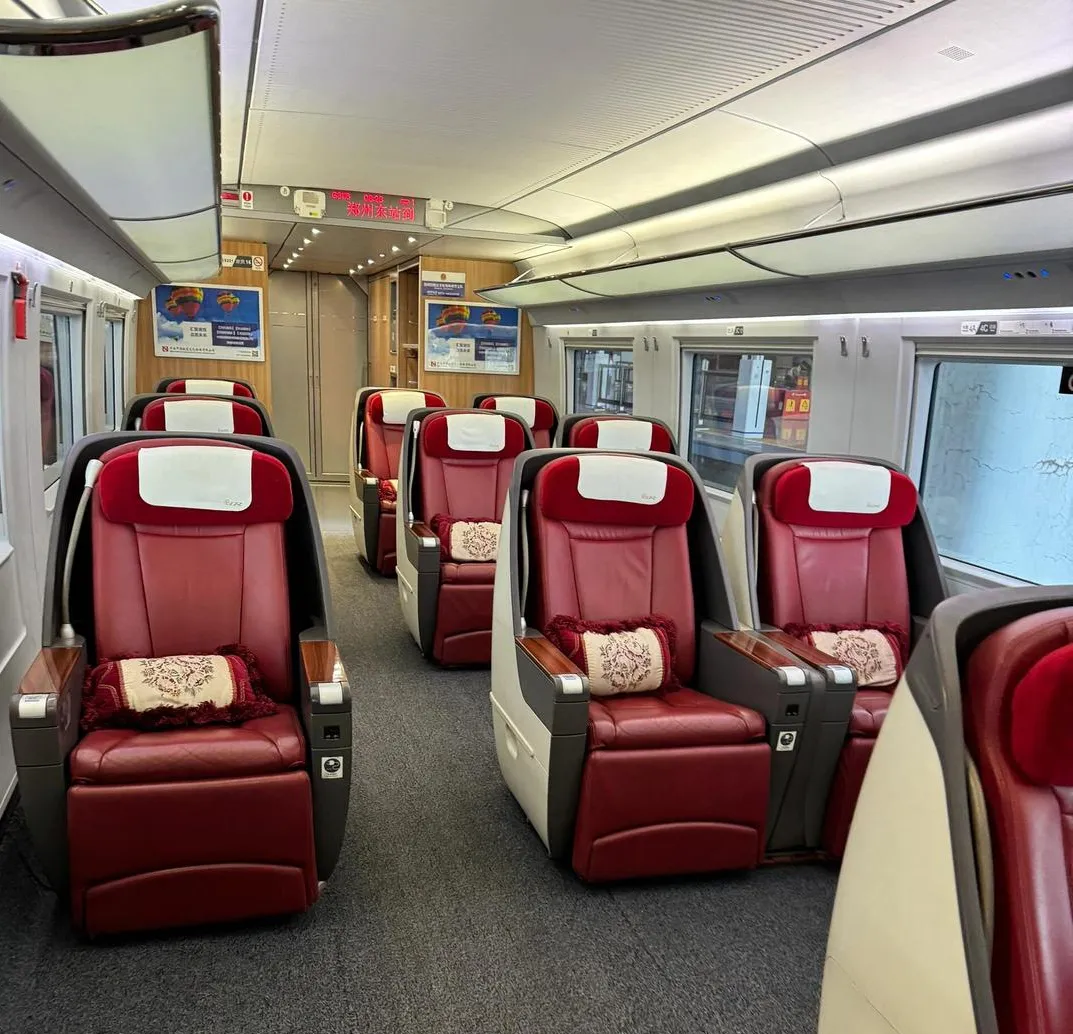
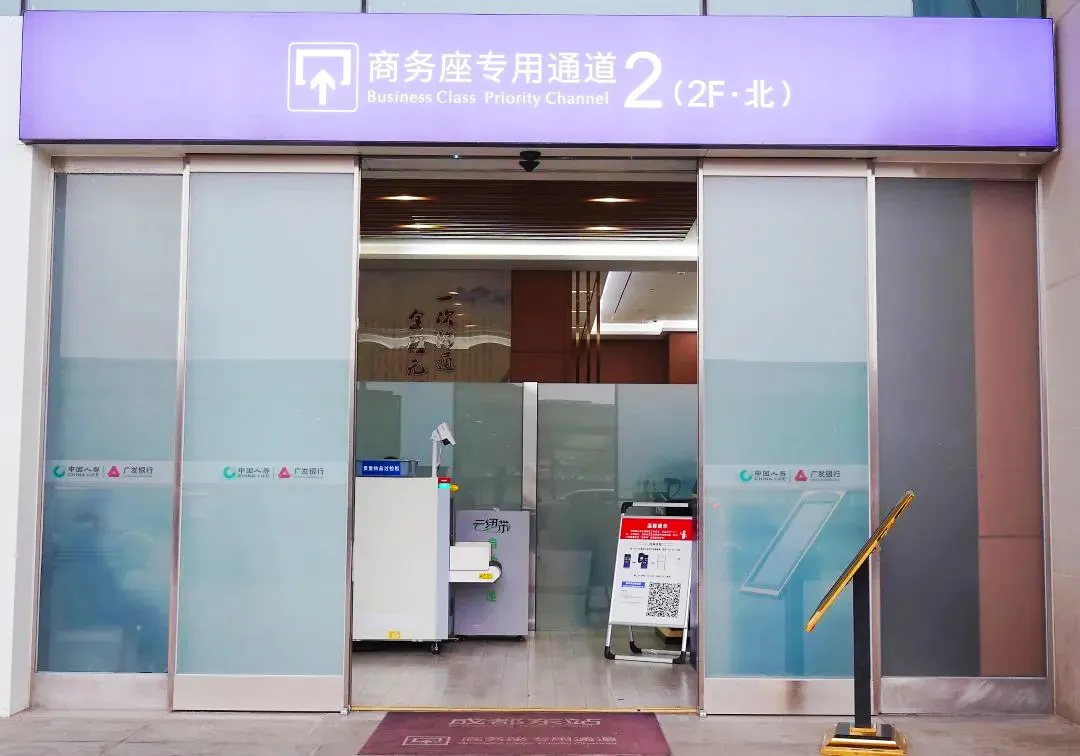
Got a business class ticket? Look for "商务座旅客通道" signs — a dedicated entrance with almost no queue. You'll breeze through ID check and security in under 3 minutes, then head straight to the VIP lounge. Worth knowing if you're running late.
Wheelchair Users & Mobility Issues
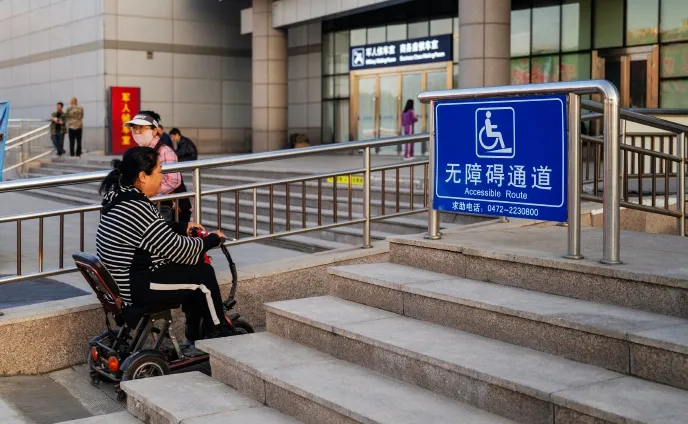
Every high-speed station has a barrier-free channel (无障碍通道) on the ground floor. Call 12306 (the railway hotline) 24 hours ahead to request assistance — they'll arrange staff to meet you at the entrance, escort you through security, and help you board via the accessible door. Elevators to platform level are available at all stations.
Security Screening: Faster Than You Think
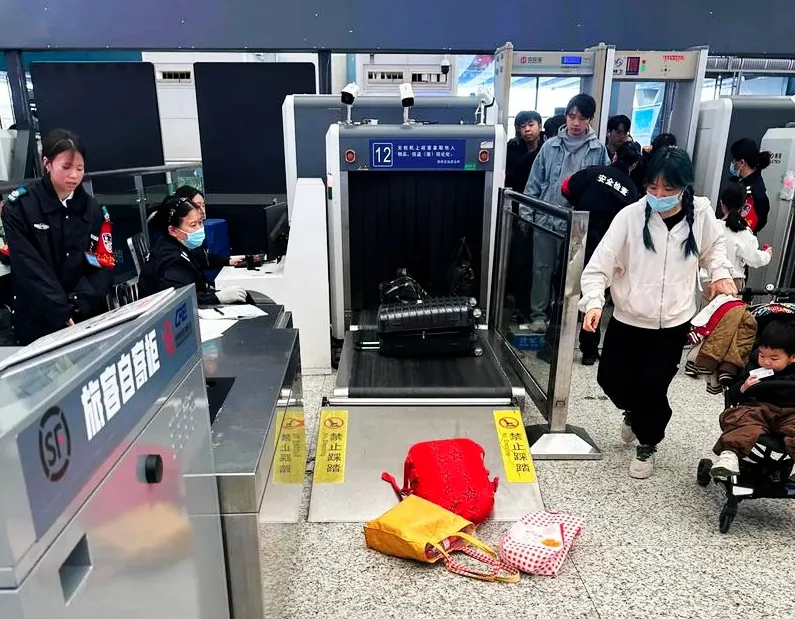
Right after ID check, you hit security. If you've flown anywhere in the last decade, you know the drill: bags on the belt, walk through the detector. The difference? It's actually faster than airports because you don't need to remove shoes, laptops, or liquids from your bag.
- All bags through the X-ray machine
- You walk through a metal detector (no pat-down unless it beeps)
- Water bottles are fine — they have a liquid scanner that checks without opening
- One lighter per person allowed. Knives/scissors over 6cm: no.
With strollers: fold it, put it on the belt. Carry the baby through the detector. Staff will help if you ask — they see this 50 times a day.
The Waiting Hall: Find Your Gate
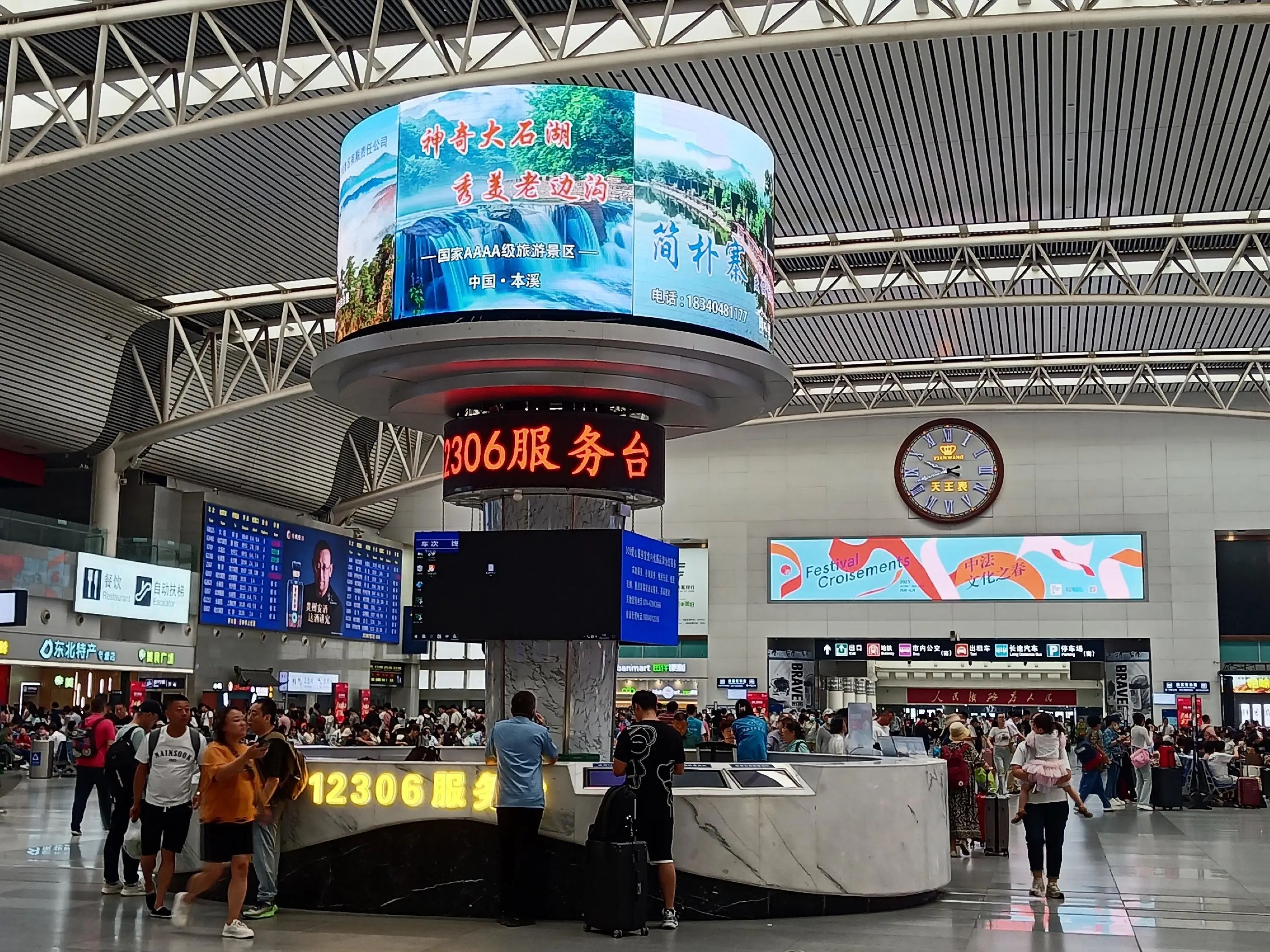
You're through security. Now you're in a massive waiting hall — imagine an airport terminal but with 3,000 seats and the ambient noise of a food court. Beijing South's waiting hall fits 10,000 people. Don't panic. Here's what matters:
Find your gate number. Your ticket shows something like "检票口 B12". Look up at the overhead LED signs, find B12, walk there, sit nearby. That's it. The departure board will show your train status: 候车 (waiting) → 检票 (now boarding) → 停止检票 (gate closed).
Business Class Lounge
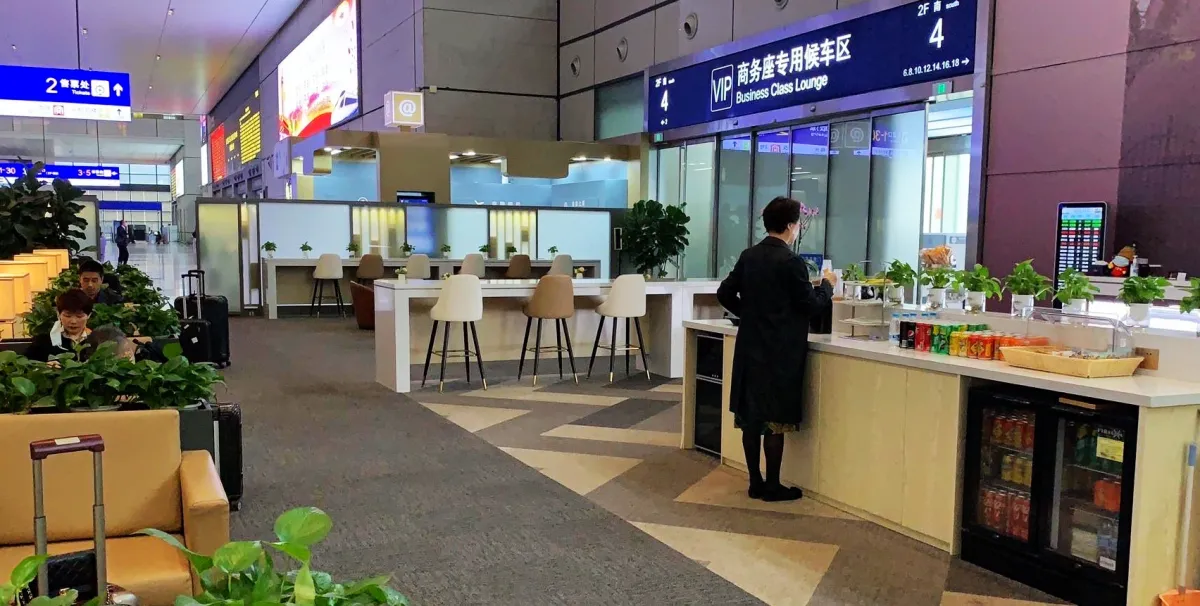
Business class passengers get a separate lounge (商务座候车室) — quiet, comfortable sofas, free coffee and snacks, phone chargers, and a dedicated staff member who walks you to the platform before everyone else. It's genuinely nice. The guide we work with in Shanghai says it's "better than most airline lounges in China."
Traveling with a Baby?
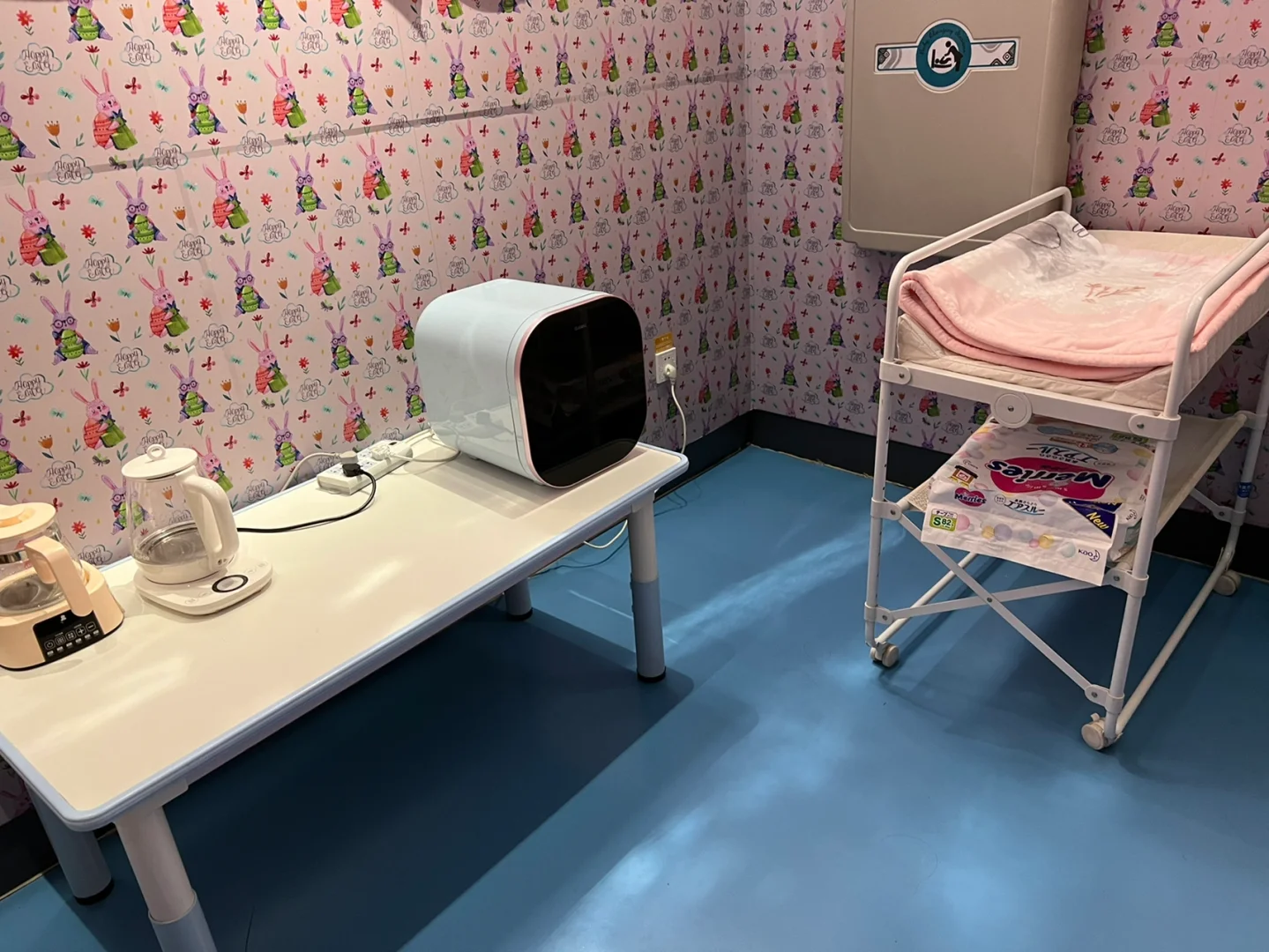
Most high-speed stations have nursing rooms (母婴室) — private spaces with changing tables, sinks, hot water, and seating for breastfeeding. Usually near the restrooms, marked with a baby icon. If you can't find one, any staff member will point you there. They're clean and well-maintained — we've checked dozens across different cities.
Boarding: The Gate Opens 15 Minutes Before
Here's where timing matters. Gates open 15–20 minutes before departure and close 5 minutes before. Miss it and you're watching your train leave without you. No exceptions, no "wait, I'm right here!" — the system is automated.
At the Turnstile
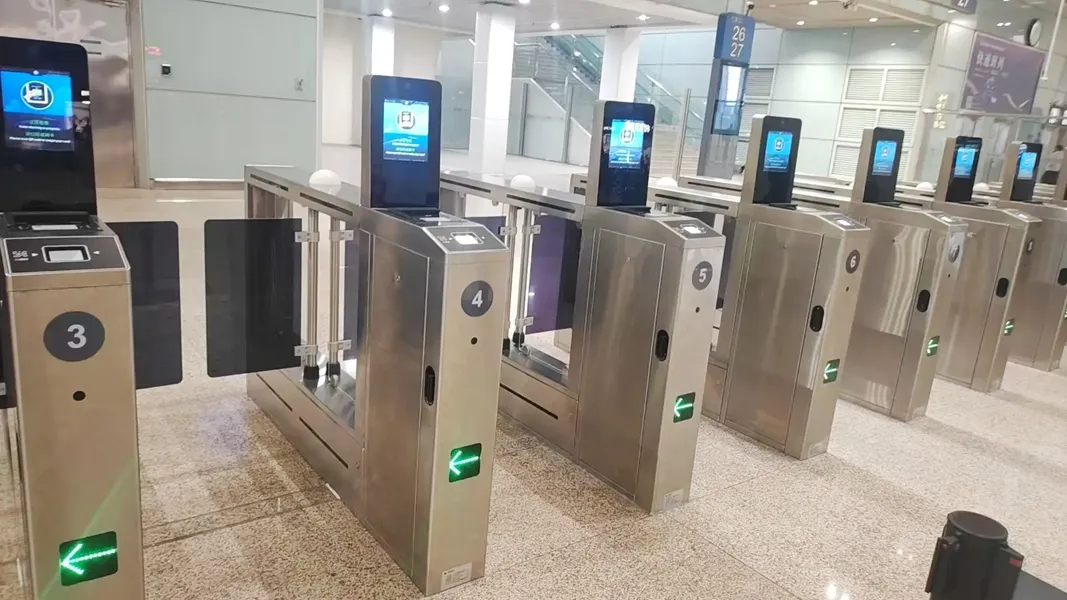
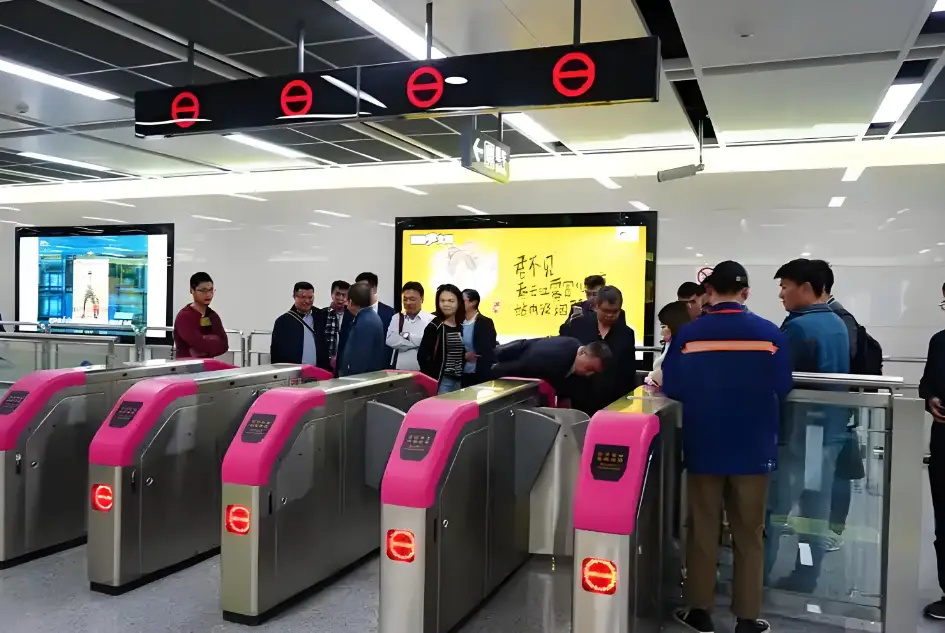
Automated gates with passport scanners. Place your passport photo page face-down on the glass. If it reads: gate opens, walk through. If it doesn't (worn passport, older station): go to the manual lane on the side. Staff scans it and lets you through.
A family on our Beijing–Xi'an route said the automated gate rejected their US passport three times before they realized it was upside down. Photo page face DOWN, not up.
Finding Your Carriage on the Platform
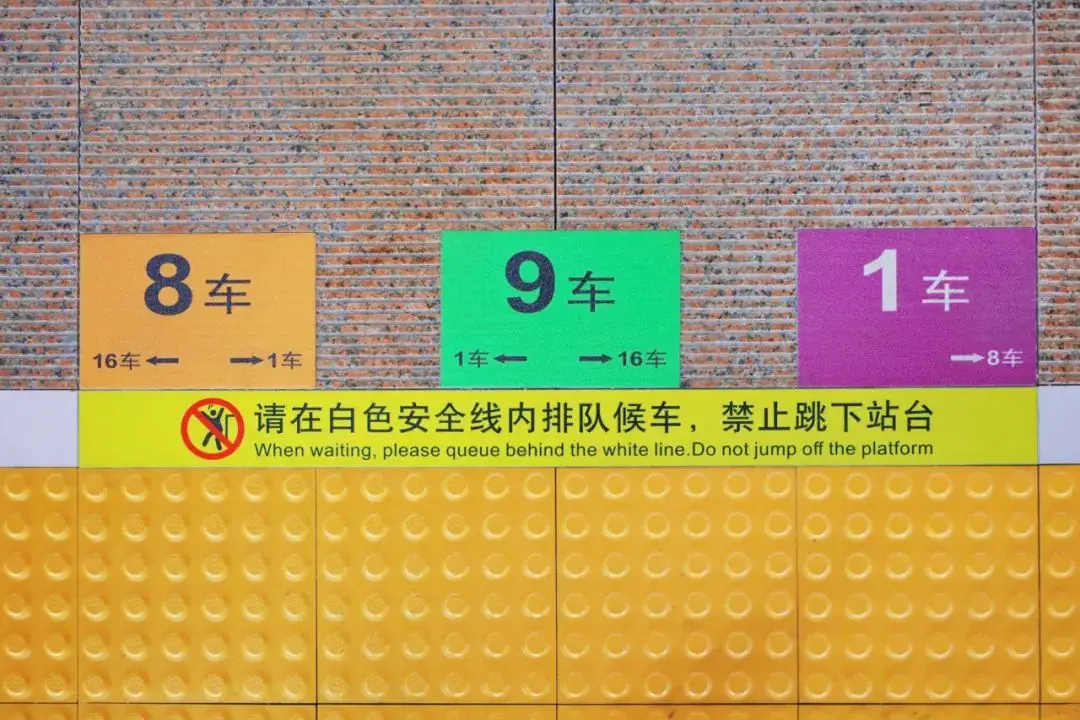
After the gate, escalator down to the platform. Floor markings painted in blue/yellow show exactly where each carriage door will stop. Find your carriage number (shown on your ticket), stand in that zone, and wait. The train pulls in, doors align with the markings, you board.
Who Boards First?
- Business class: Escorted from lounge, board 5 minutes before everyone else
- Wheelchair users: Staff-assisted via elevator, board through accessible door
- Families with young children / elderly: Can request early boarding at the gate — just tell staff
Luggage: What You Can Bring
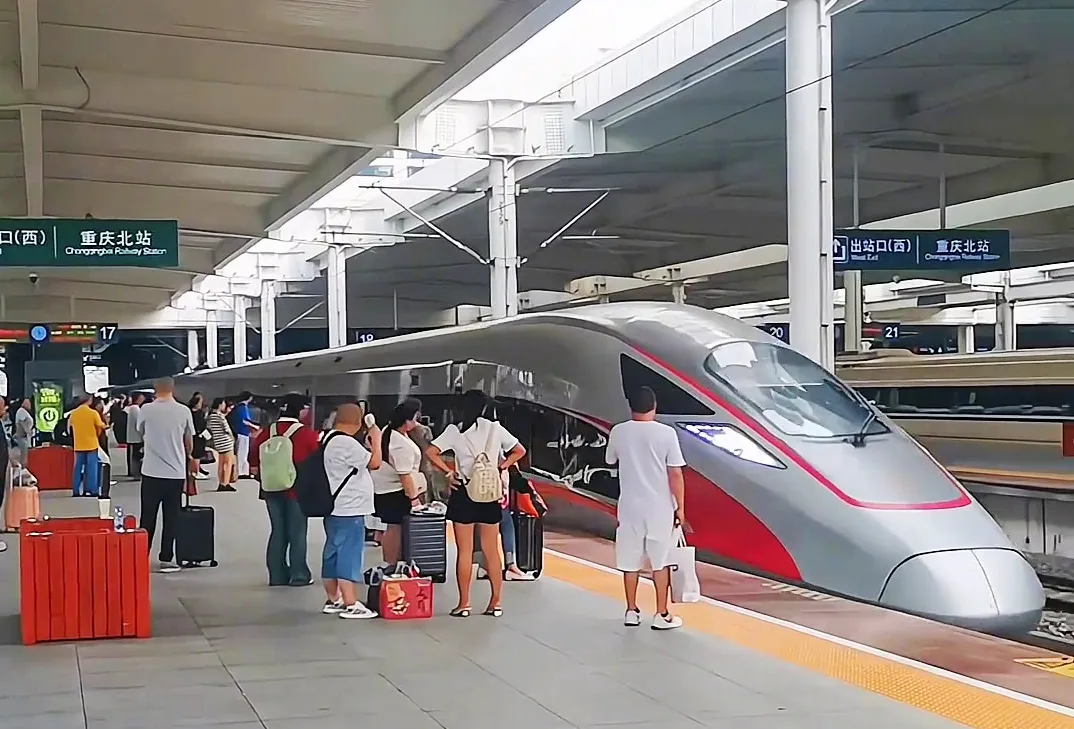
Official limit: 20kg per adult, 10kg per child. In practice? Nobody weighs your bags. We've seen people board with two full-size suitcases and a backpack. The real constraint is physical space:
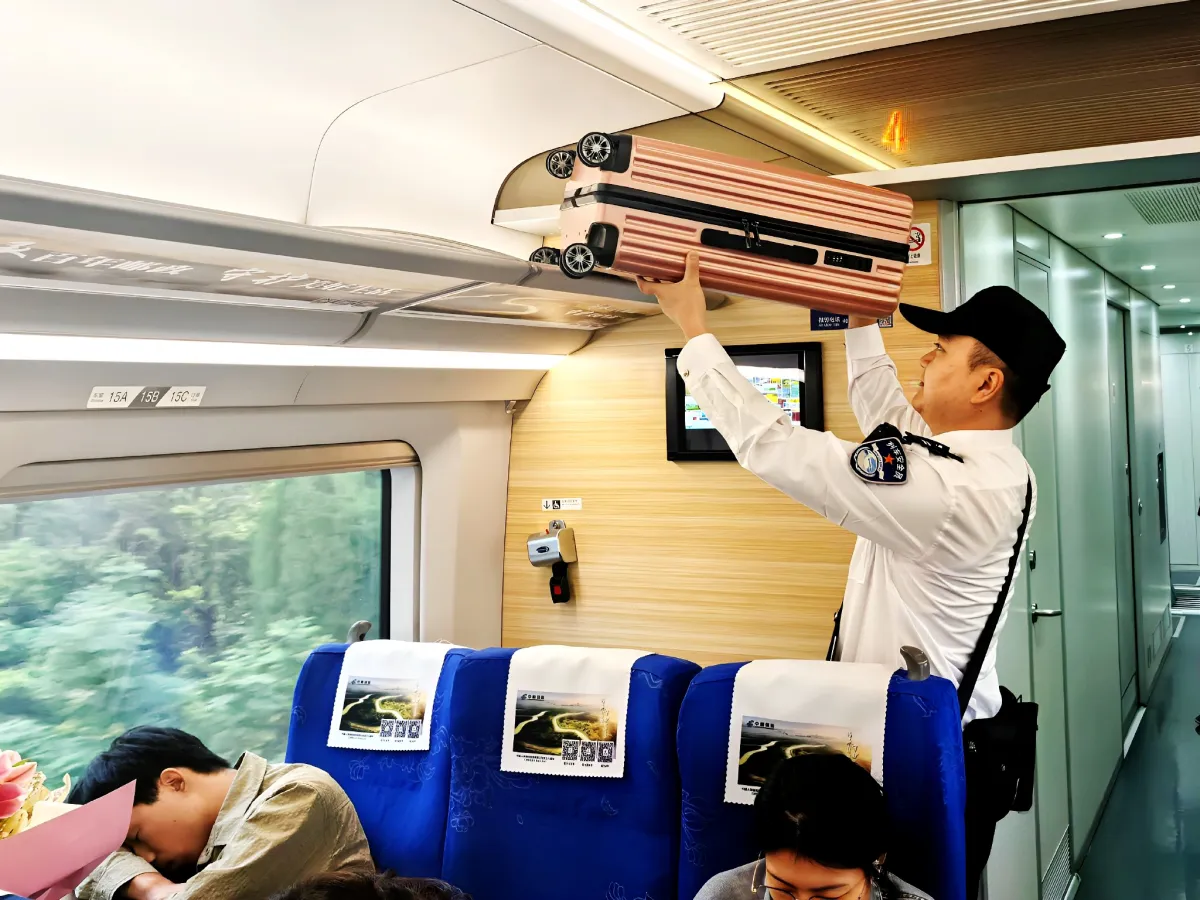
- Overhead racks fit standard carry-on suitcases (up to ~24 inch)
- Larger bags go in the luggage shelf at the end of each carriage — first come, first served
- Everything must fit through the security X-ray machine (~40×60cm opening)
Pro tip: if you have big luggage, board early and grab the shelf space. By the time the last passengers board, it's full.
Exiting at Your Destination
The easy part. Train stops, doors open, follow "出站" (Exit) signs and the crowd. Escalator to exit level, passport on the gate scanner, you're out. Total time: 3–5 minutes.
Connecting to Another Train? Don't Exit.
This catches people every time. If you're transferring to another train at the same station, look for "换乘" (Transfer) signs BEFORE you reach the exit gates. There's a dedicated transfer corridor that takes you directly to the next waiting hall — no re-entry, no second security check. Saves 10–15 minutes.
If you accidentally exit, you'll need to go through the entire entry process again. Not a disaster, but annoying.
Common Mistakes (We've Seen Them All)
| Mistake | What Happens | How to Avoid |
|---|---|---|
| Arriving 15 min before departure | Gates close 5 min before. You miss your train. | 30 min minimum. 45 during holidays. |
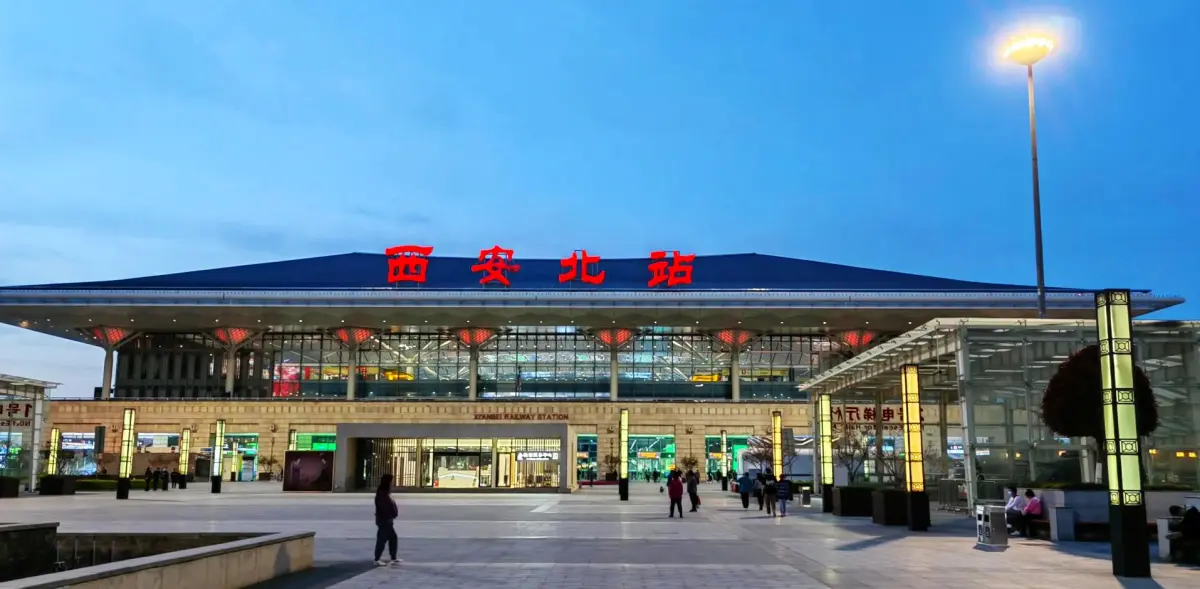
| Wrong station | Beijing has 4 stations. Xi'an has 3. Guangzhou has 3. | Check the FULL station name on your ticket. |
| Forgot passport | Cannot enter. Period. | Passport = ticket. No passport, no train. |
| Name mismatch | Booking rejected at gate. | Book with EXACT passport name including middle name. |
| Exited instead of transferring | Must re-enter through full security. | Look for 换乘 signs before 出站 gates. |
| Wrong platform position | Your carriage is 200m away, train leaves in 2 min. | Check floor markings BEFORE the train arrives. |
| Passport upside down at gate | Machine rejects it repeatedly. | Photo page face DOWN on the scanner. |
Useful Chinese for the Station
| English | Chinese | Pinyin |
|---|---|---|
| Where is Gate X? | X号检票口在哪里? | X hào jiǎnpiào kǒu zài nǎ lǐ? |
| I'm a foreigner, manual lane please | 我是外国人,走人工通道 | Wǒ shì wàiguó rén, zǒu réngōng tōngdào |
| Where is the elevator? | 电梯在哪里? | Diàntī zài nǎ lǐ? |
| Where is the nursing room? | 母婴室在哪里? | Mǔ yīng shì zài nǎ lǐ? |
| I need wheelchair help | 我需要轮椅服务 | Wǒ xūyào lúnyǐ fúwù |
| Transfer / connecting train | 换乘 | Huànchéng |
| Exit | 出站 | Chūzhàn |
| Which platform? | 几站台? | Jǐ zhàntái? |
| My passport won't scan | 我的护照扫不了 | Wǒ de hùzhào sāo bù liǎo |
Tips From Our Team
- Download the 12306 app (English version available) — shows real-time gate numbers, platform info, and delay alerts.
- Screenshot your booking. Cell signal inside stations can be weak, especially underground.
- Kids under 1.2m tall ride free (no ticket, no seat). Between 1.2m–1.5m: child ticket (half price, gets a seat).
- Hot water dispensers are on every floor of the station and in every train carriage. Bring a reusable bottle.
- Station Wi-Fi exists but requires a Chinese phone number to register. Use mobile data or download offline maps.
- During Spring Festival (Jan/Feb) and National Day (Oct 1–7), everything takes twice as long. Plan accordingly.
- If you miss your train: go to the ticket counter immediately. For G/D trains, you can take the next available train on the same route (standing ticket only, same day). For K/T trains, the ticket is void.