The Quick Answer
China has two train systems running in parallel: high-speed rail (G/D/C trains, up to 350 km/h) and conventional rail (Z/T/K trains, 80–160 km/h). Each system has its own set of seat and sleeper classes. Here's what you'll actually encounter when booking.
| Class | Chinese Name | Train Type | Price Range (¥) | Best For |
|---|---|---|---|---|
| Second Class | 二等座 | G/D/C | 15–1,155 | Most travelers, trips under 5 hours |
| First Class | 一等座 | G/D/C | 25–1,870 | Extra legroom, quieter cabin |
| Business Class | 商务座 | G | 54–3,746 | Lie-flat seats, VIP experience |
| Premium First Class | 优选一等座 | G | 163–2,089 | Between first and business |
| Premium Class | 特等座 | G | 71–1,914 | Front-row panoramic view |
| Hard Seat | 硬座 | K/T/Z | 22–269 | Budget, short conventional trips |
| Hard Sleeper | 硬卧 | K/T/Z | 68–456 | Overnight budget travel |
| Soft Sleeper | 软卧 | K/T/Z | 87–792 | Overnight comfort, private cabin |
| Deluxe Soft Sleeper | 高级软卧 | Z/T | 262–1,383 | Two-berth private cabin |
| D-train Sleeper | 动卧 | D (overnight) | 130–1,100 | High-speed overnight routes |
High-Speed Train Seats (G/D/C Trains)
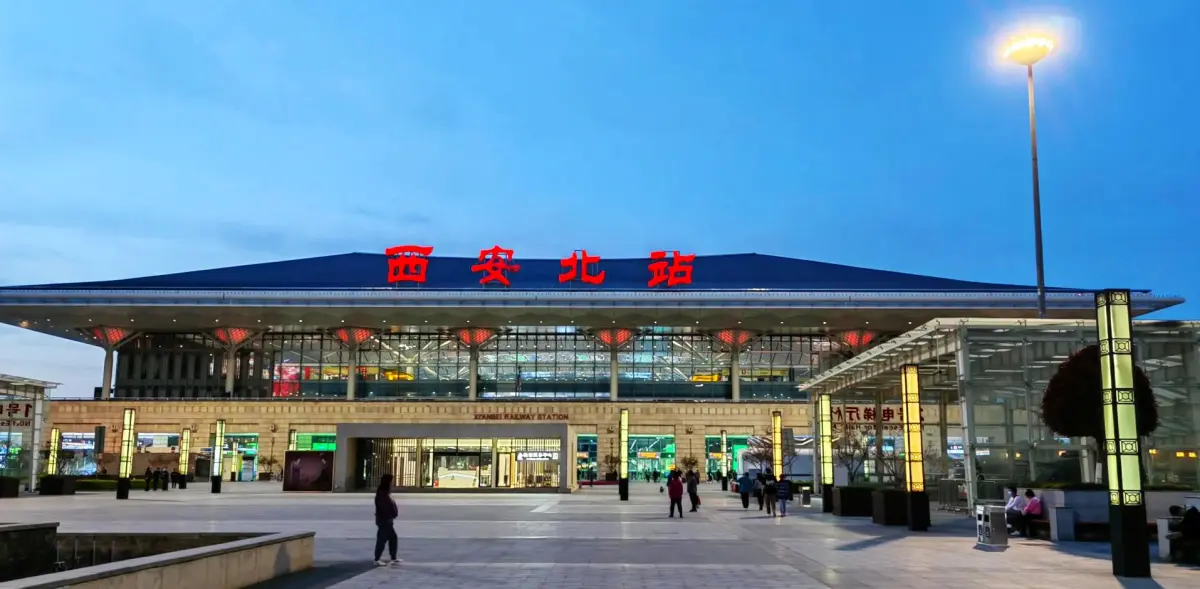
These are the trains most foreign visitors will ride. They're fast, clean, punctual, and run during daytime hours. Stations are modern — think airport terminals, not old railway depots.
Second Class (二等座) — The Default Choice
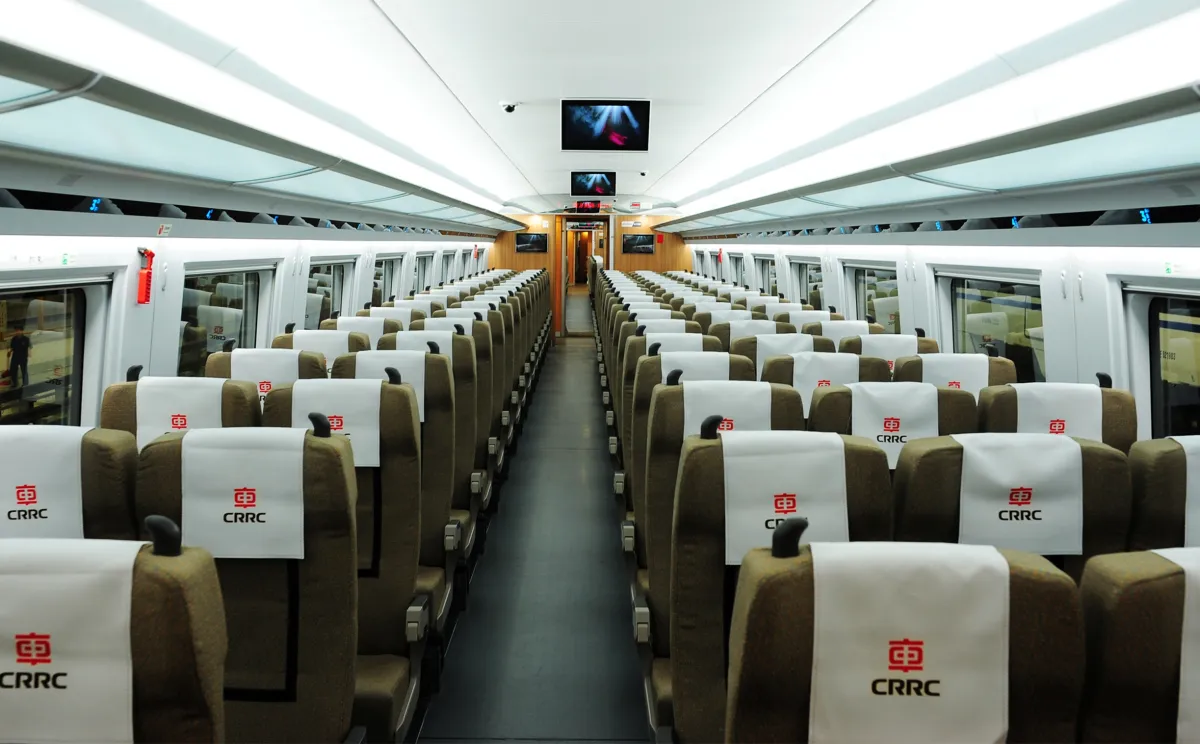
Five seats per row in a 3+2 layout. Seat width is about 42 cm — slightly wider than economy on most airlines. Every seat has a power outlet, a fold-down tray table on the seat back in front, and overhead luggage racks.
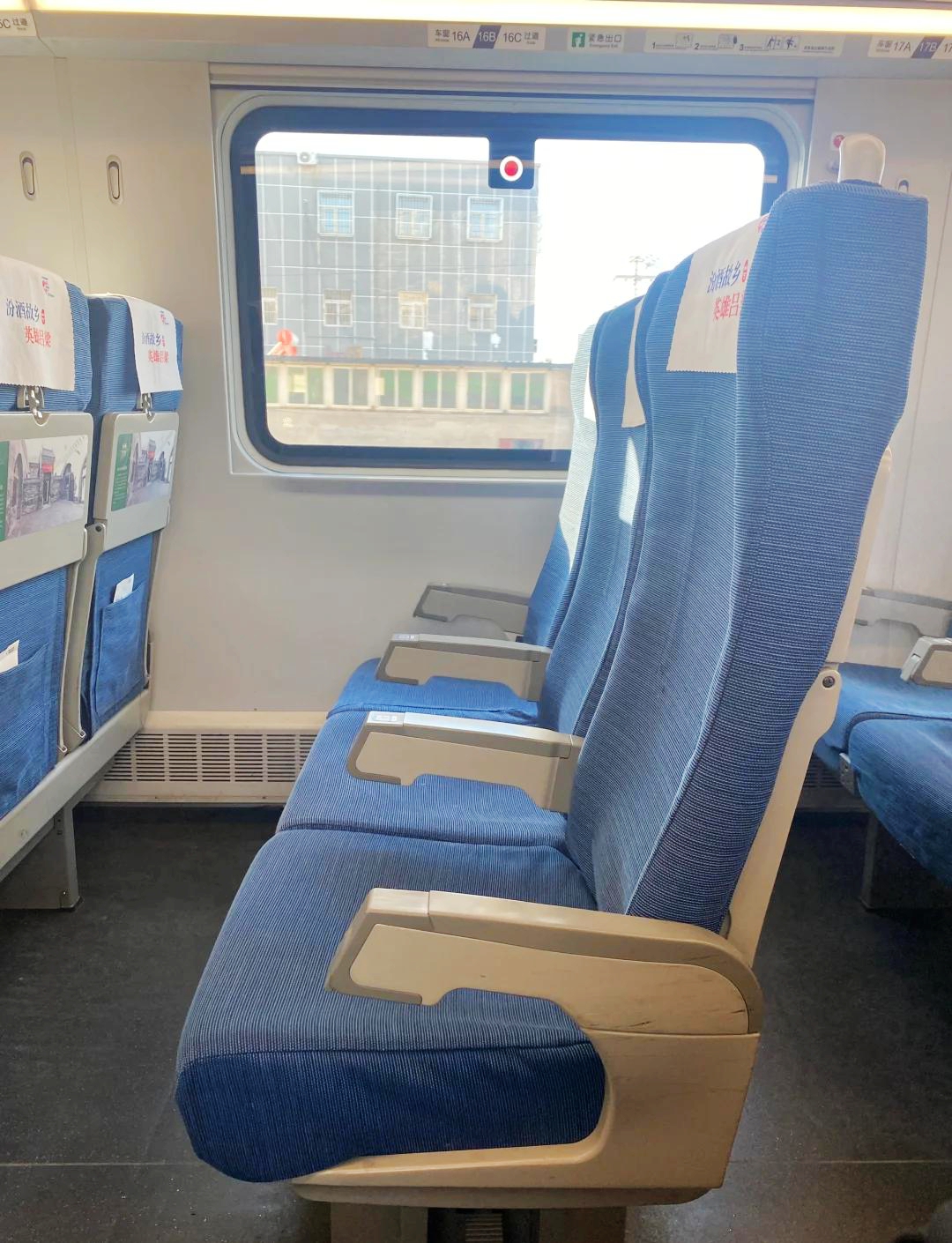
Legroom is decent for trips up to 4–5 hours. The seats recline about 45 degrees. Wi-Fi is available on newer Fuxing trains but spotty on older Hexie models. Our team books second class for anything under 5 hours — it's perfectly comfortable and the price difference doesn't justify upgrading for short hops.
Typical price: Beijing–Shanghai (4.5h): ¥553 / Beijing–Xi'an (4.5h): ¥515
First Class (一等座) — Worth It for Long Rides
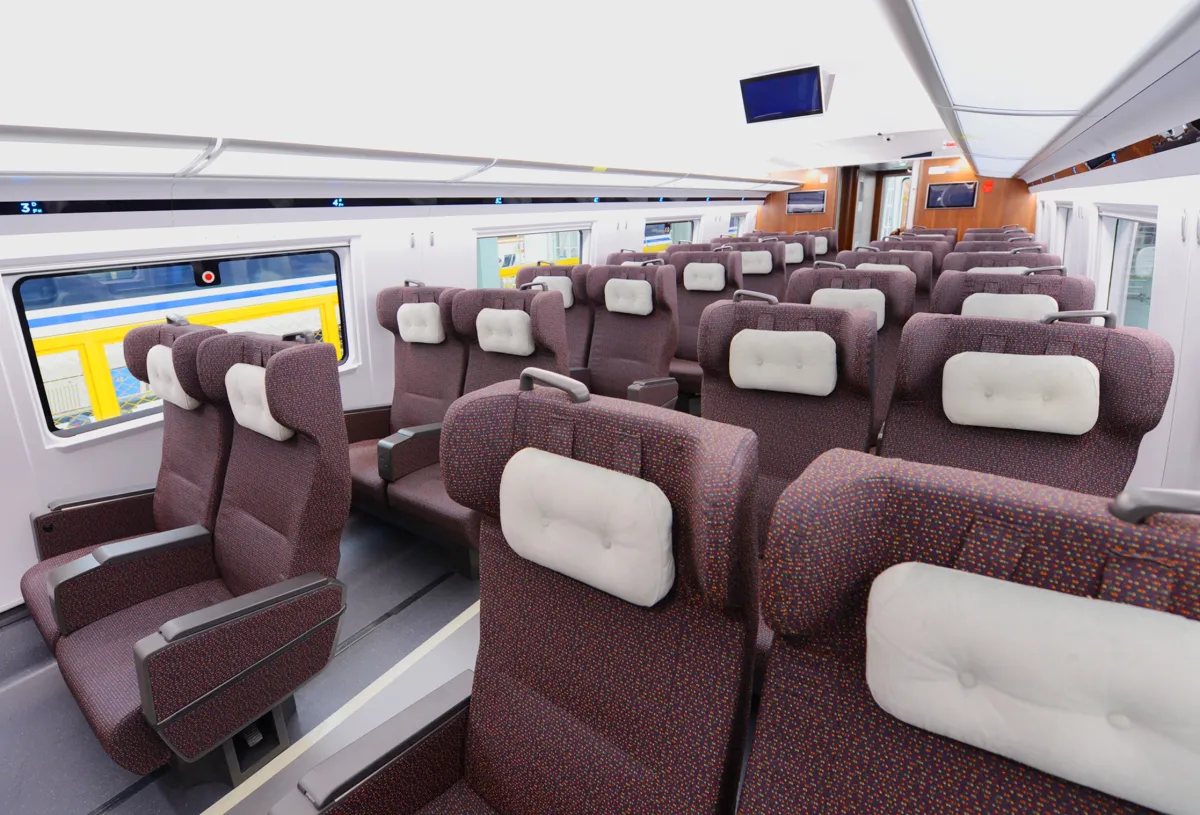
Four seats per row, 2+2 layout. Seat width jumps to about 47 cm. The recline goes to roughly 60 degrees. Each seat has an armrest-mounted fold-out table (usable even when facing backwards), a footrest, and a small pillow.
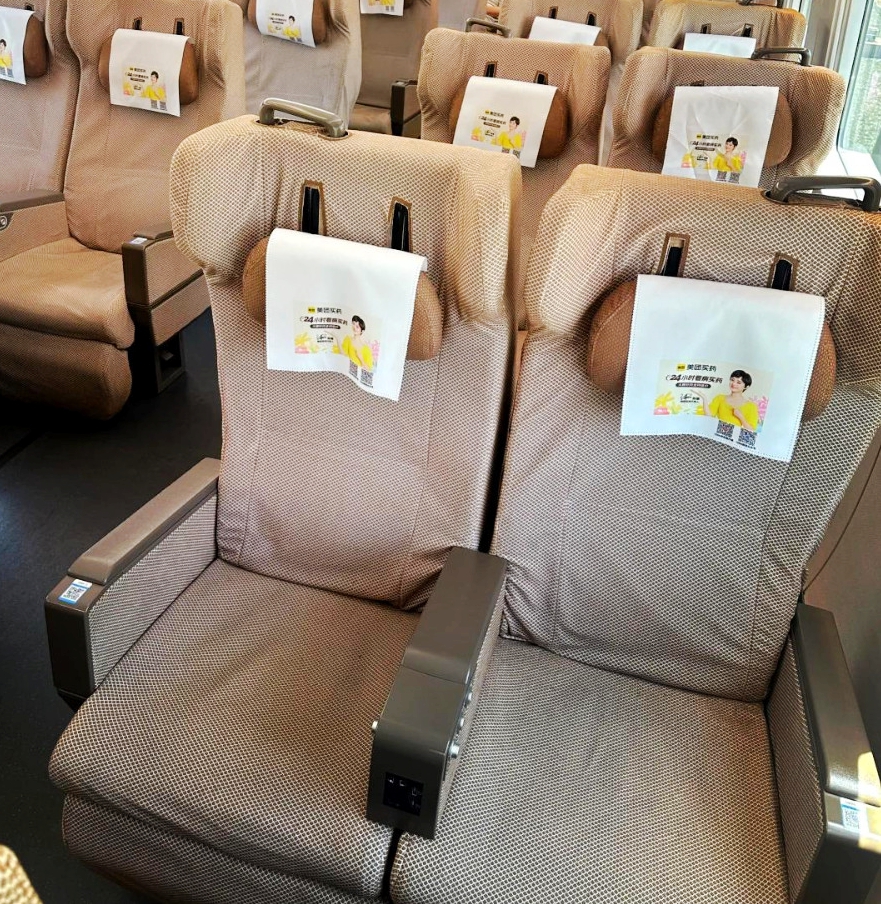
The cabin is noticeably quieter — fewer passengers, less foot traffic. Attendants sometimes offer complimentary water and snacks. For journeys over 4 hours, the 20–40% price premium over second class is money well spent.
Typical price: Beijing–Shanghai: ¥933 / Beijing–Xi'an: ¥825
Business Class (商务座) — Lie-Flat Luxury
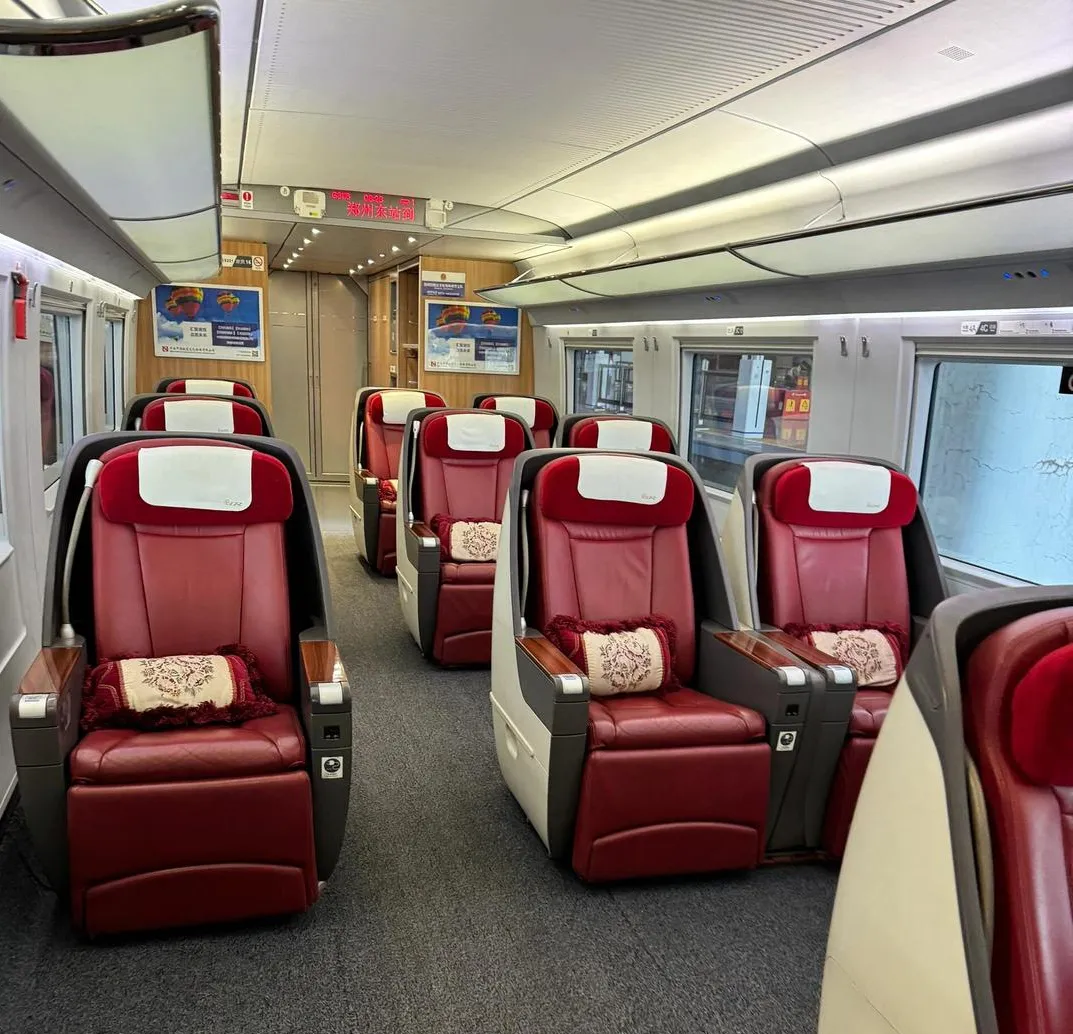
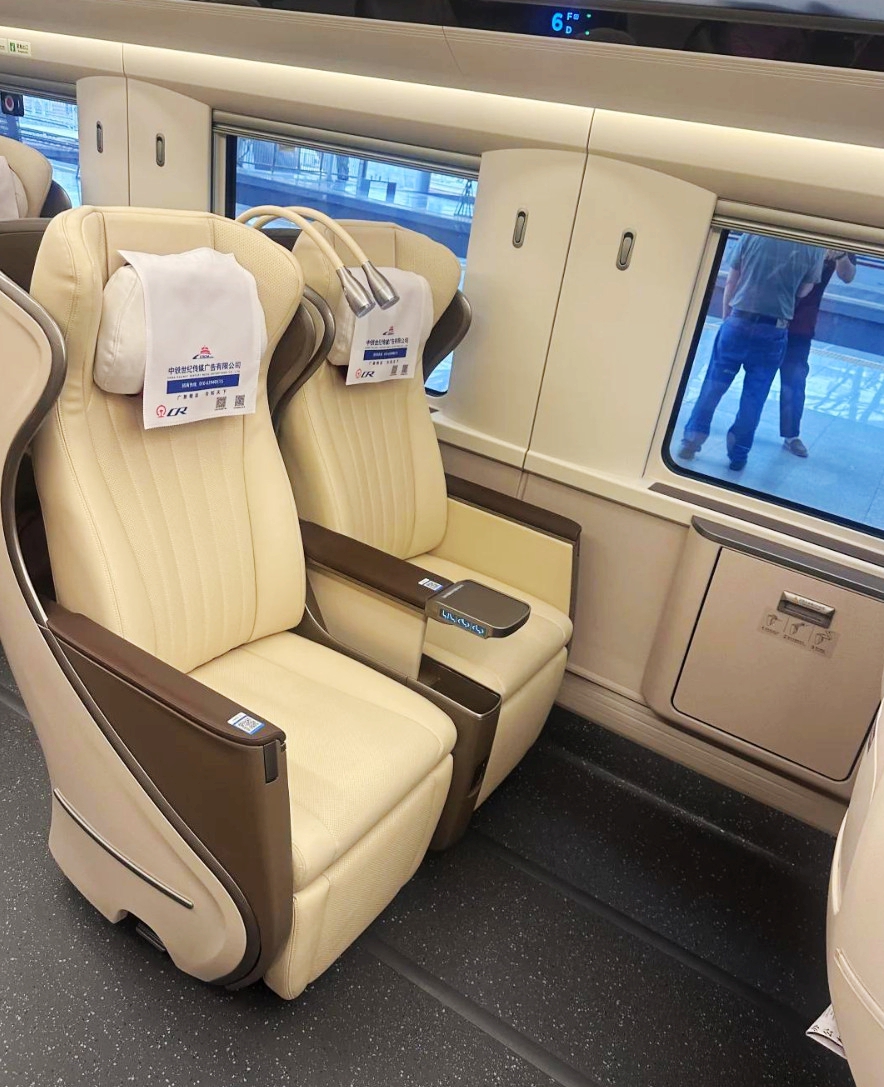
The front carriage. Seats recline to nearly 180 degrees — a proper lie-flat bed. Layout is typically 2+1 (three seats per row) or even 1+1 on some routes. You get a personal reading light, slippers, a blanket, noise-canceling headphones on some services, and a meal or snack box.
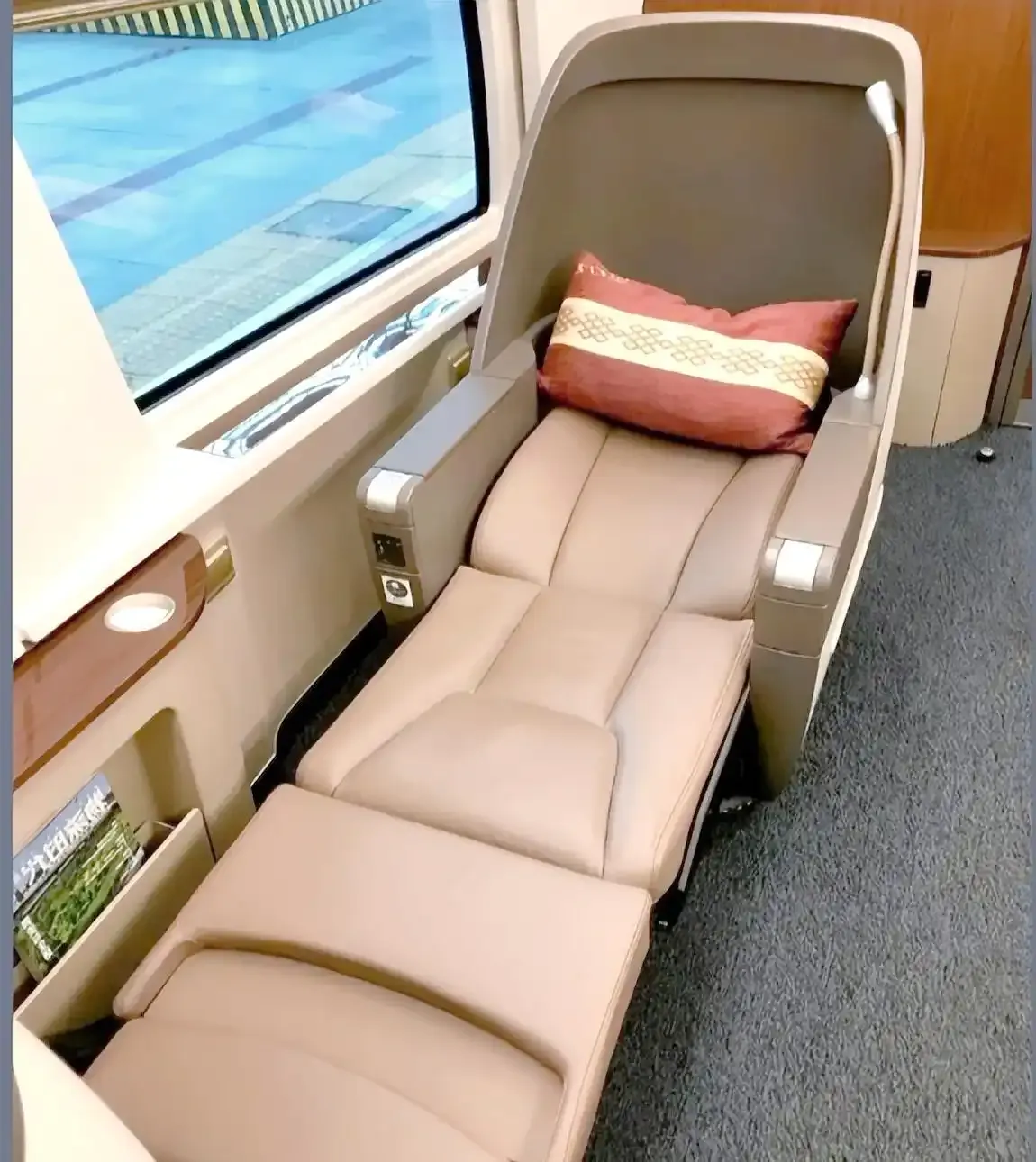
Price is roughly 3× second class. Honestly, unless you're on an expense account or celebrating something, it's hard to justify for a 4-hour ride. But for the Beijing–Hong Kong route (9 hours), it's a genuine alternative to flying business class — at a fraction of the cost.
Typical price: Beijing–Shanghai: ¥1,748 / Beijing–Guangzhou (8h): ¥2,724
Premium First Class (优选一等座)
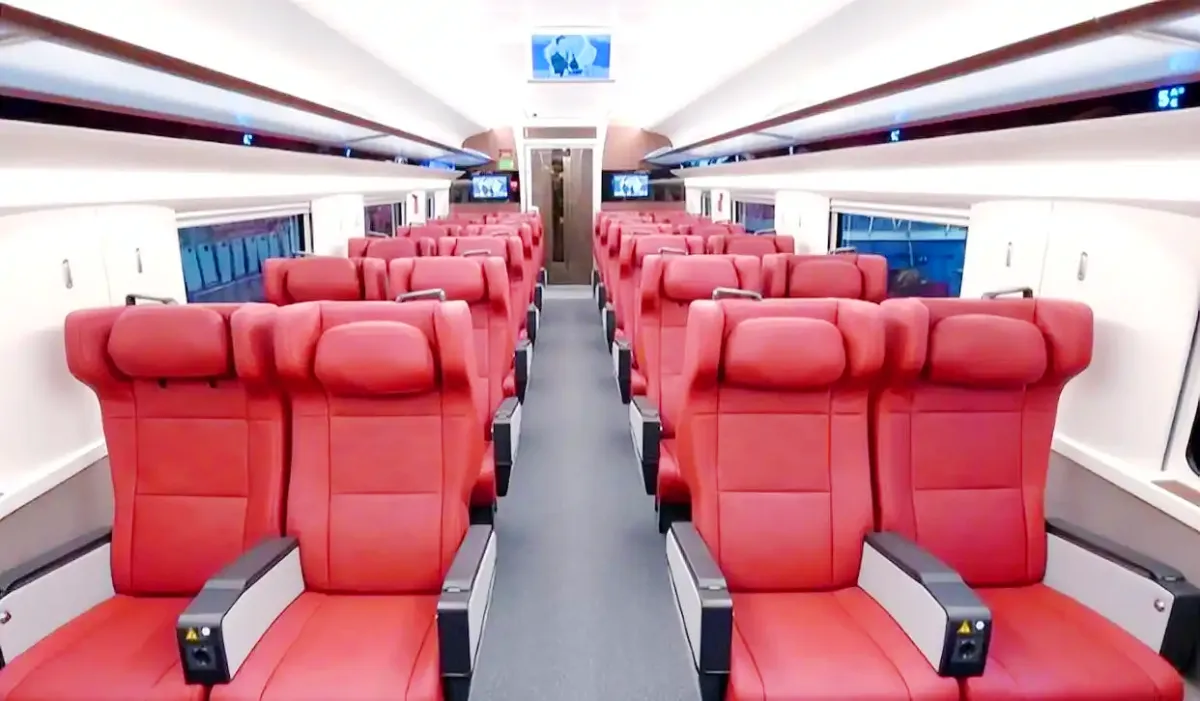
A newer class found on Fuxing CR400 trains. Sits between regular first class and business class — wider seats, more recline, slightly better service. Not available on all routes. Think of it as "business lite" at about 60% of business class price.
Premium Class / VIP (特等座)
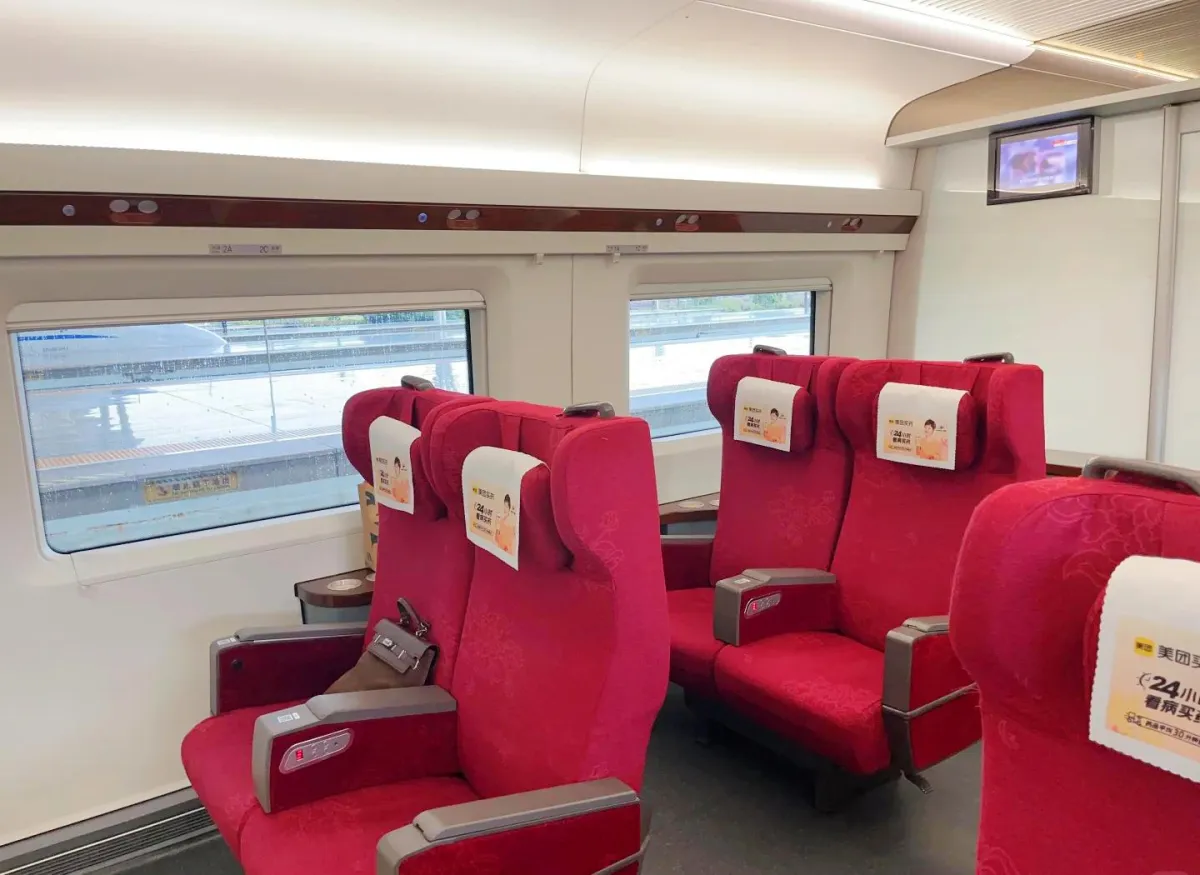
Found at the very front of certain G-trains, sometimes with a panoramic window into the driver's cabin. Only 4–8 seats per train. Rare, not bookable on all routes, and priced between first class and business class. A novelty more than a practical choice.
Standing Ticket (无座)
Same price as second class, but no assigned seat. You stand in the vestibule or find an empty spot. Sold when seated tickets are sold out. Avoid this for anything over 2 hours — your legs will hate you. During Spring Festival or National Day, this might be your only option if you book late.
Overnight High-Speed Sleepers (D-train)
A handful of D-train routes run overnight with sleeper berths instead of seats. These combine high-speed rail comfort with the convenience of saving a hotel night.
D-train Sleeper (动卧)
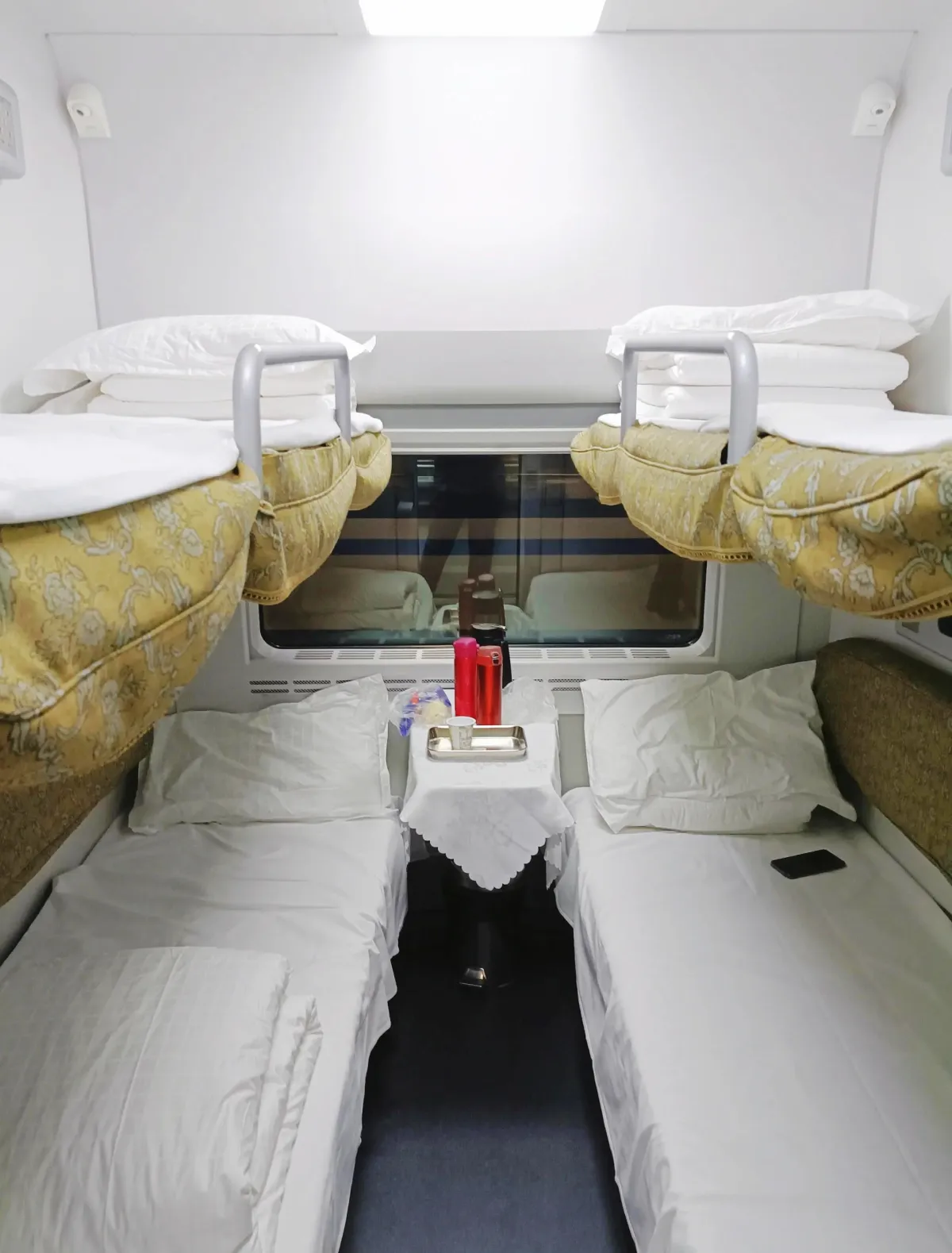
Compact pod-style berths, similar to a capsule hotel. Each berth has a privacy curtain, reading light, power outlet, and a small shelf. Upper and lower berths available — lower costs more. The train runs at 200–250 km/h overnight, arriving early morning.
Popular routes: Beijing–Shanghai (overnight D-train), Shanghai–Shenzhen, Beijing–Guangzhou.
Typical price: Beijing–Shanghai overnight: ¥650–750
Conventional Train Sleepers & Seats (K/T/Z Trains)
Slower trains (80–160 km/h) that still serve routes where high-speed rail hasn't reached, or for budget overnight travel. The experience is rougher but authentic — this is how most Chinese traveled for decades.
Hard Seat (硬座) — Budget Daytime
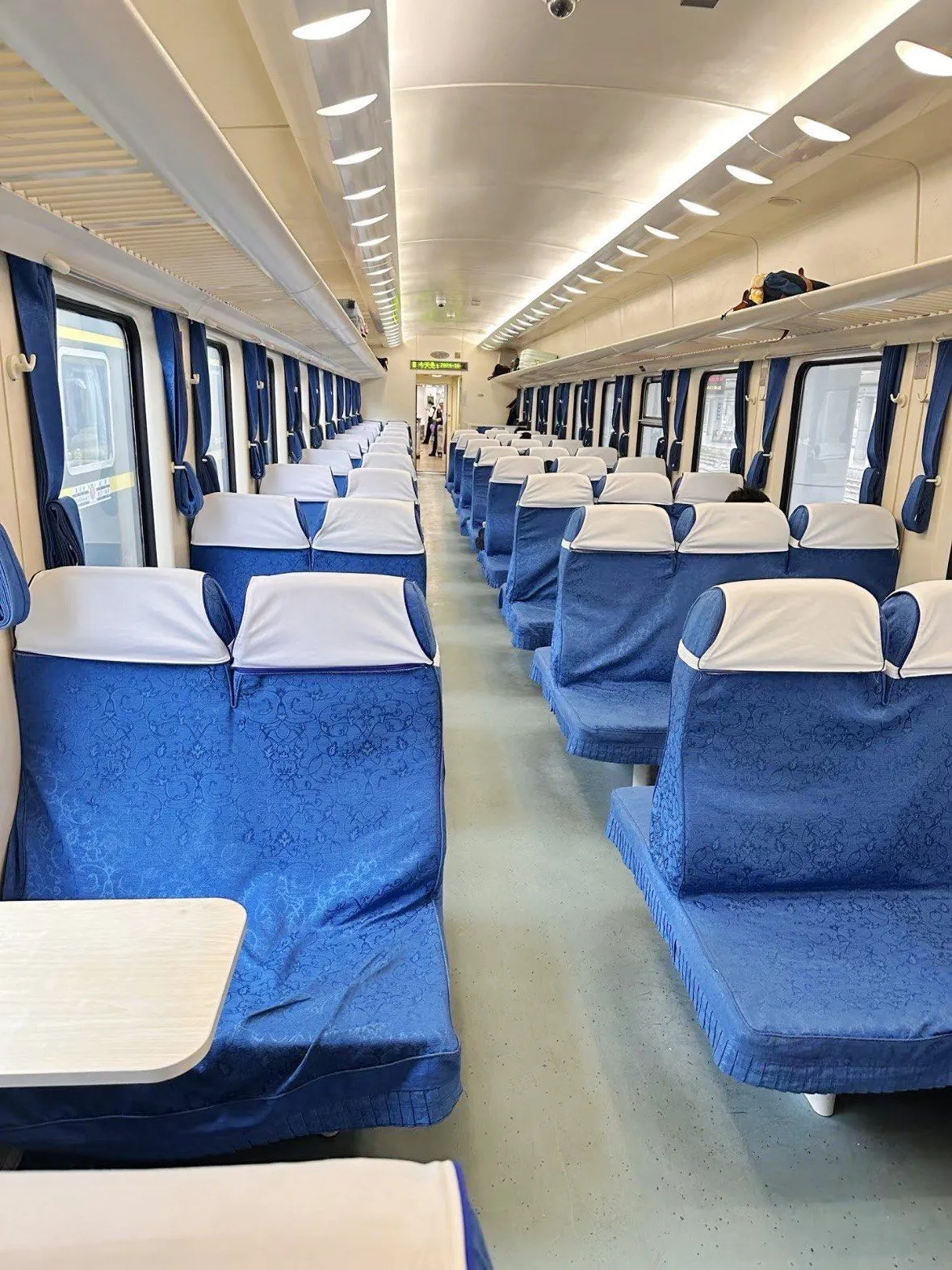
Despite the name, seats are padded — just not very well. Three seats face three seats with a small table between. No power outlets on older trains. Gets crowded and noisy. Fine for 2–3 hours, miserable for 10+. Our honest advice: if the journey is over 4 hours on a K-train, upgrade to hard sleeper.
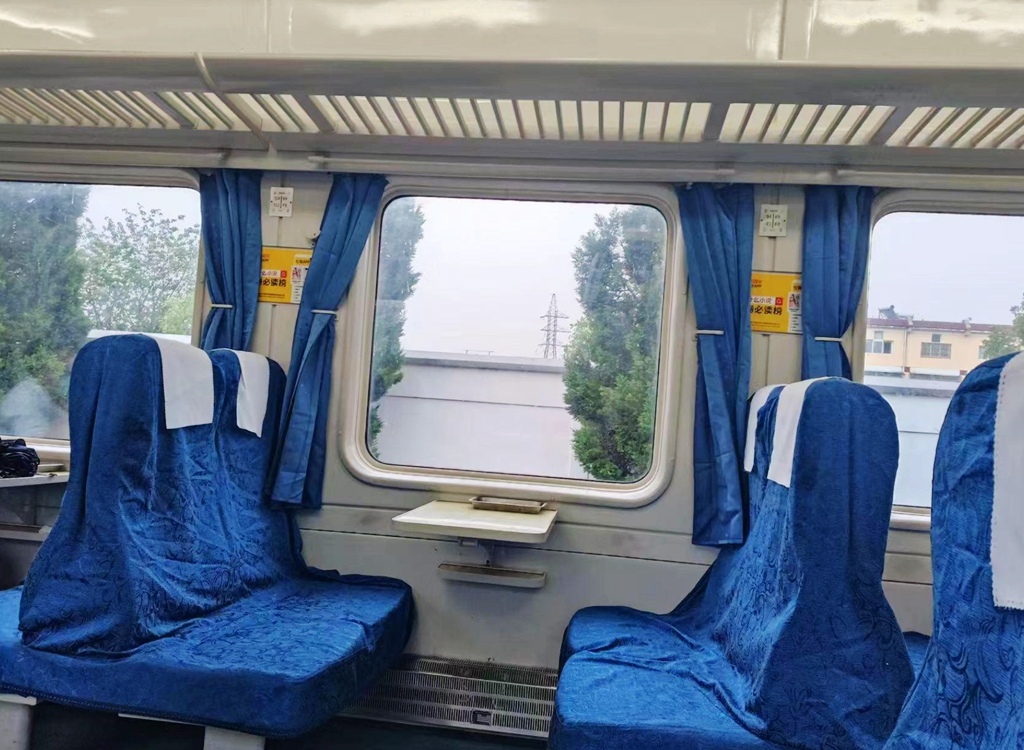
Typical price: Beijing–Xi'an (K-train, 12h): ¥152
Hard Sleeper (硬卧) — The Backpacker Classic
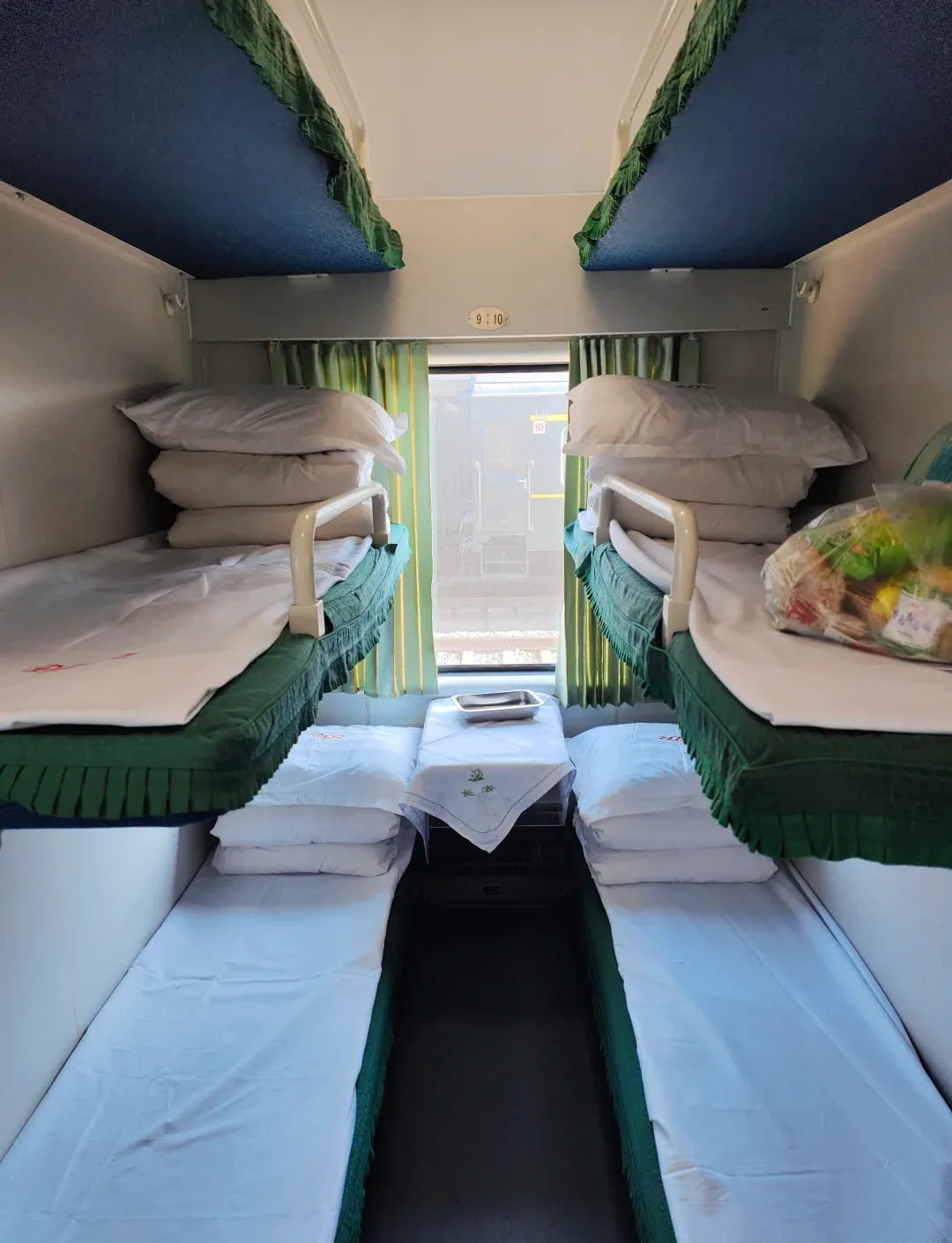
Six berths per open compartment (no door): lower, middle, and upper, on both sides of a narrow aisle. Berths are 60 cm wide and 180 cm long — tight for tall travelers. Each berth has a thin mattress, pillow, and blanket.
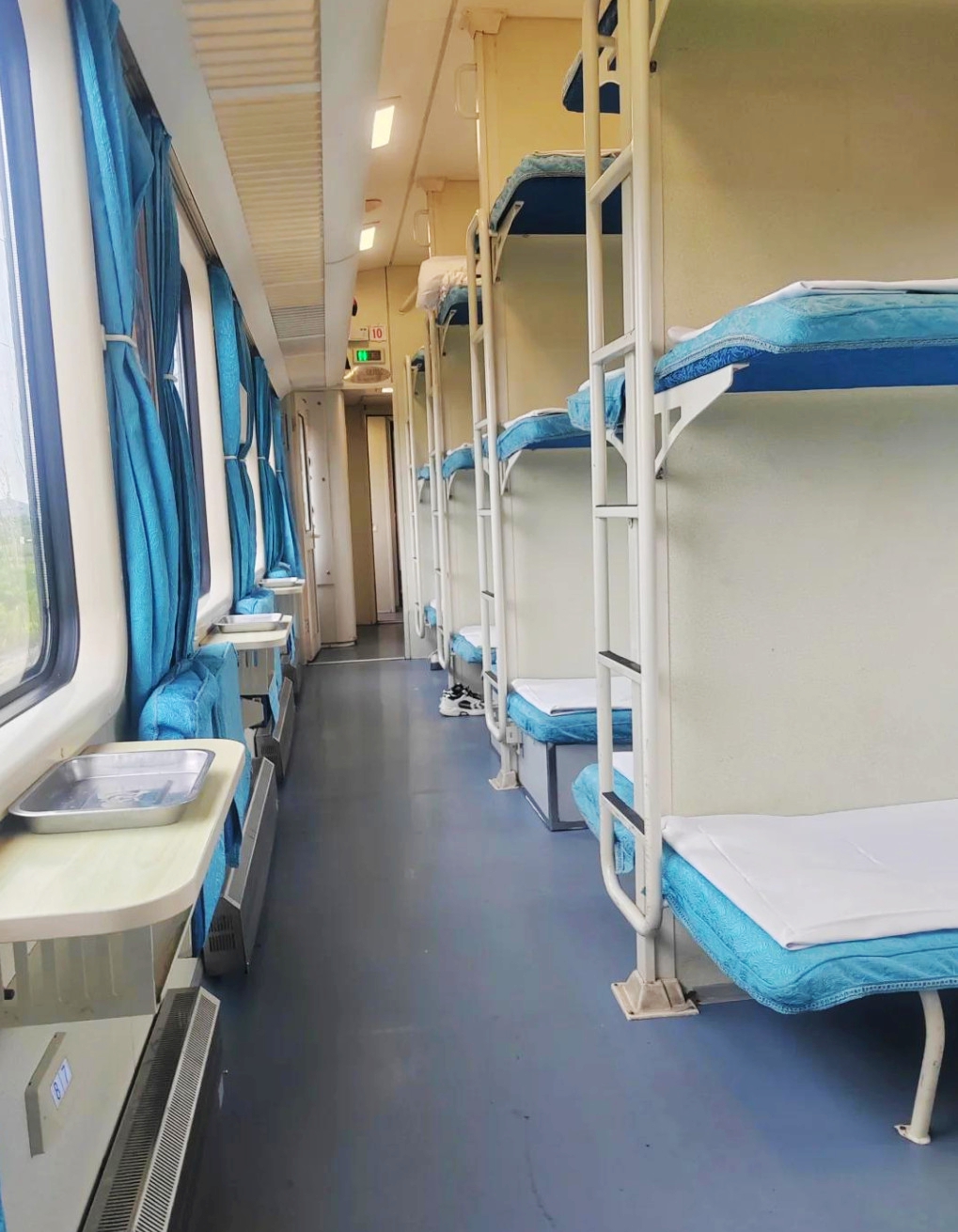
Lower berth (下铺) is most expensive and most comfortable — you can sit up, and people use it as a bench during the day. Upper berth (上铺) is cheapest but requires climbing and has minimal headroom. Middle berth (中铺) is the compromise.
Lights go off around 10 PM. It's social, sometimes noisy, but a genuine cultural experience. Millions of Chinese take hard sleeper every day.
Typical price: Beijing–Xi'an (12h): ¥263 (lower) / ¥227 (upper)
Soft Sleeper (软卧) — Private Compartment
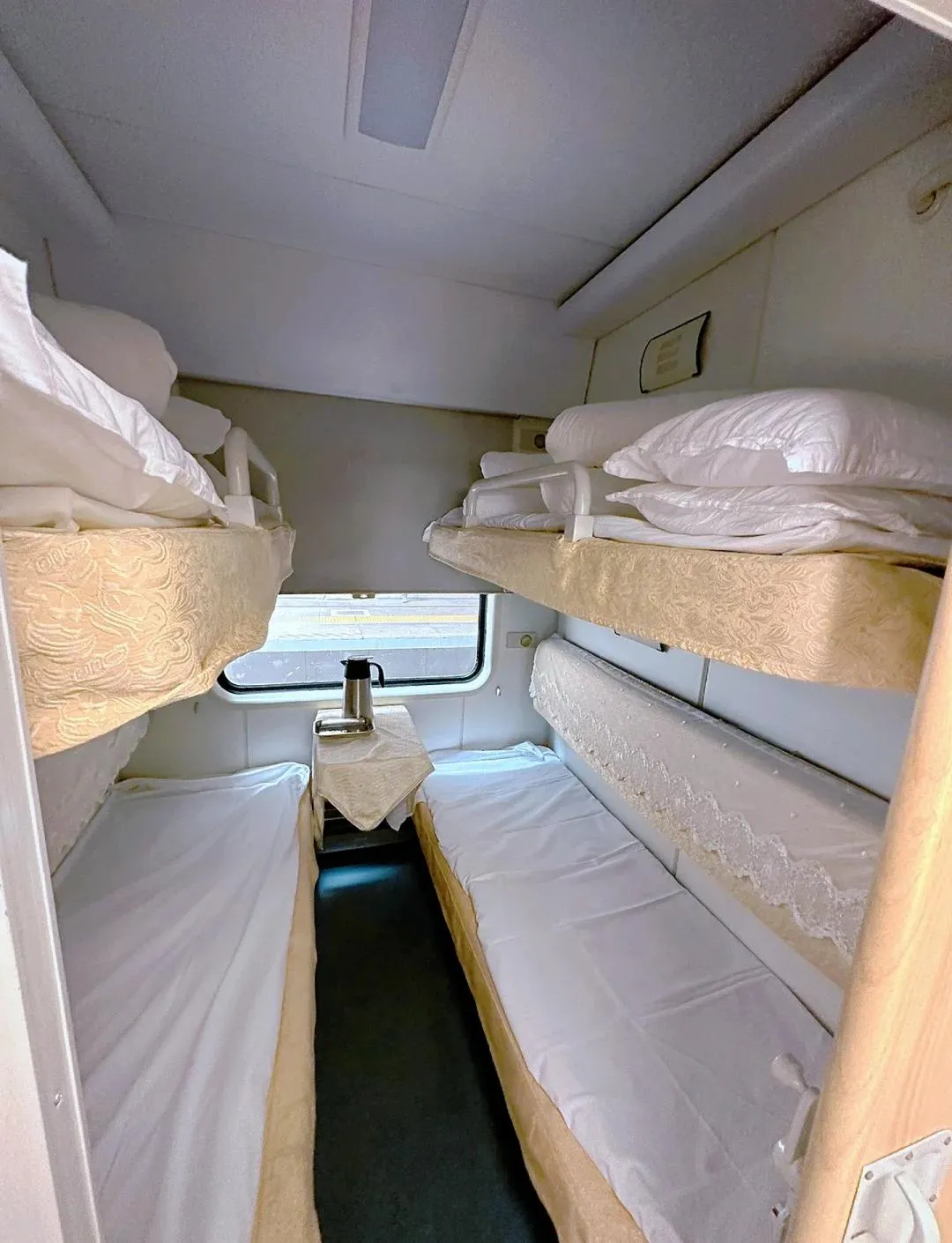
Four berths in a private compartment with a lockable door. Berths are wider (75 cm), longer, and better padded. Each compartment has its own temperature control, a small table, and luggage storage under the lower berths.
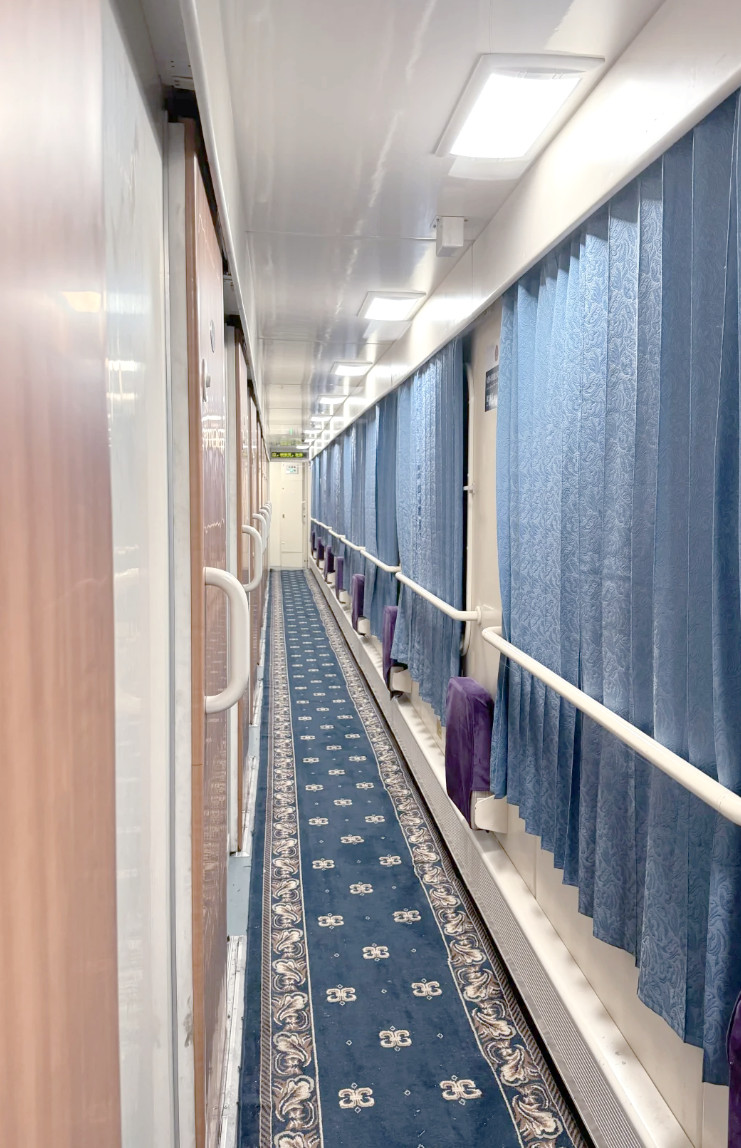
About 1.5× the price of hard sleeper. Worth every yuan for overnight journeys — you actually sleep. The door locks, so your belongings are secure. Our team always recommends soft sleeper for foreign travelers on overnight conventional trains.
Typical price: Beijing–Xi'an (12h): ¥427
Deluxe Soft Sleeper (高级软卧) — Two-Berth Suite
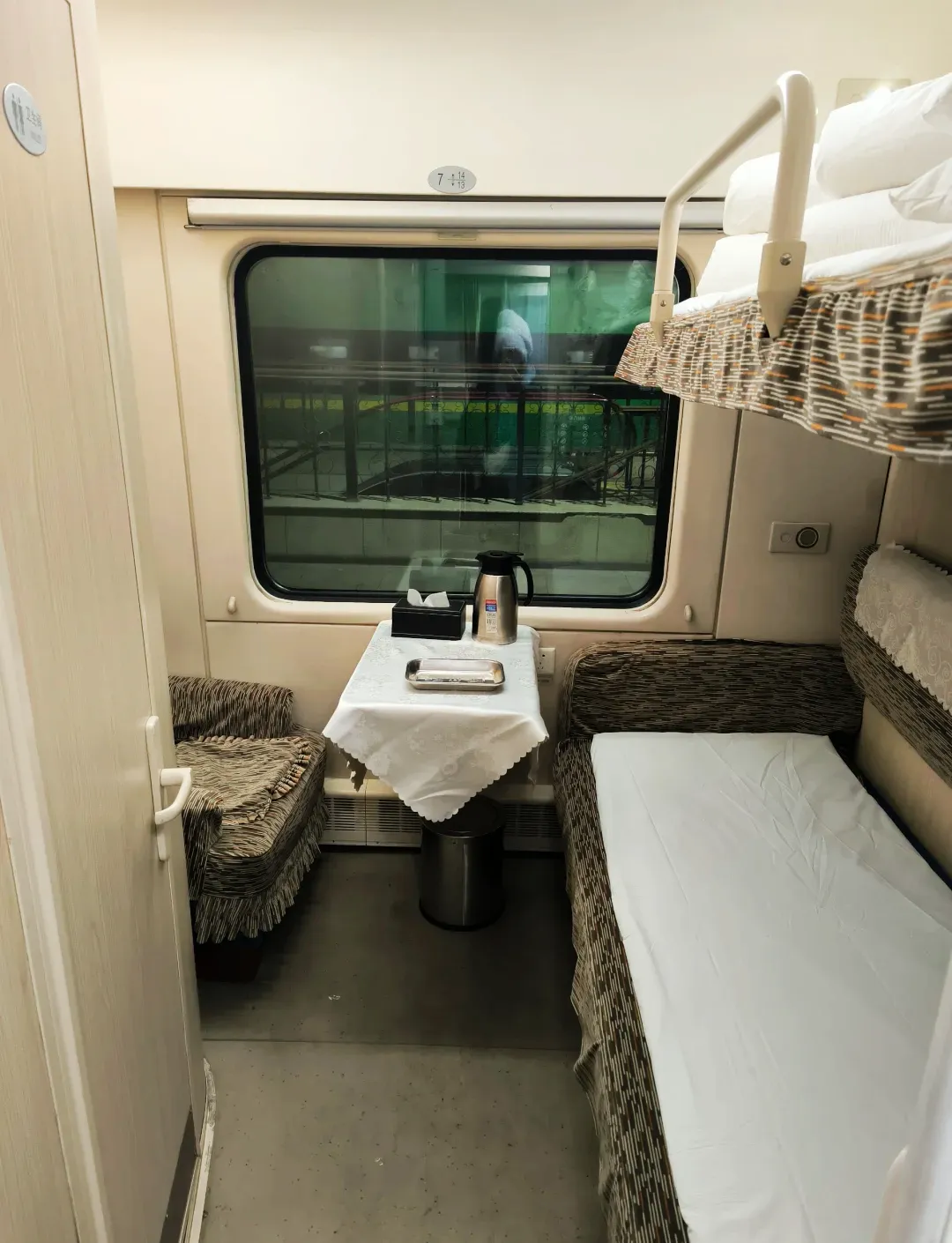
Only two berths per compartment — essentially a private room. Some include a small private bathroom or TV. Found on select Z-train routes (Beijing–Shanghai, Beijing–Lhasa). About 2× soft sleeper price. The closest thing to a hotel room on rails.
Onboard Facilities: Restrooms & Wash Basins
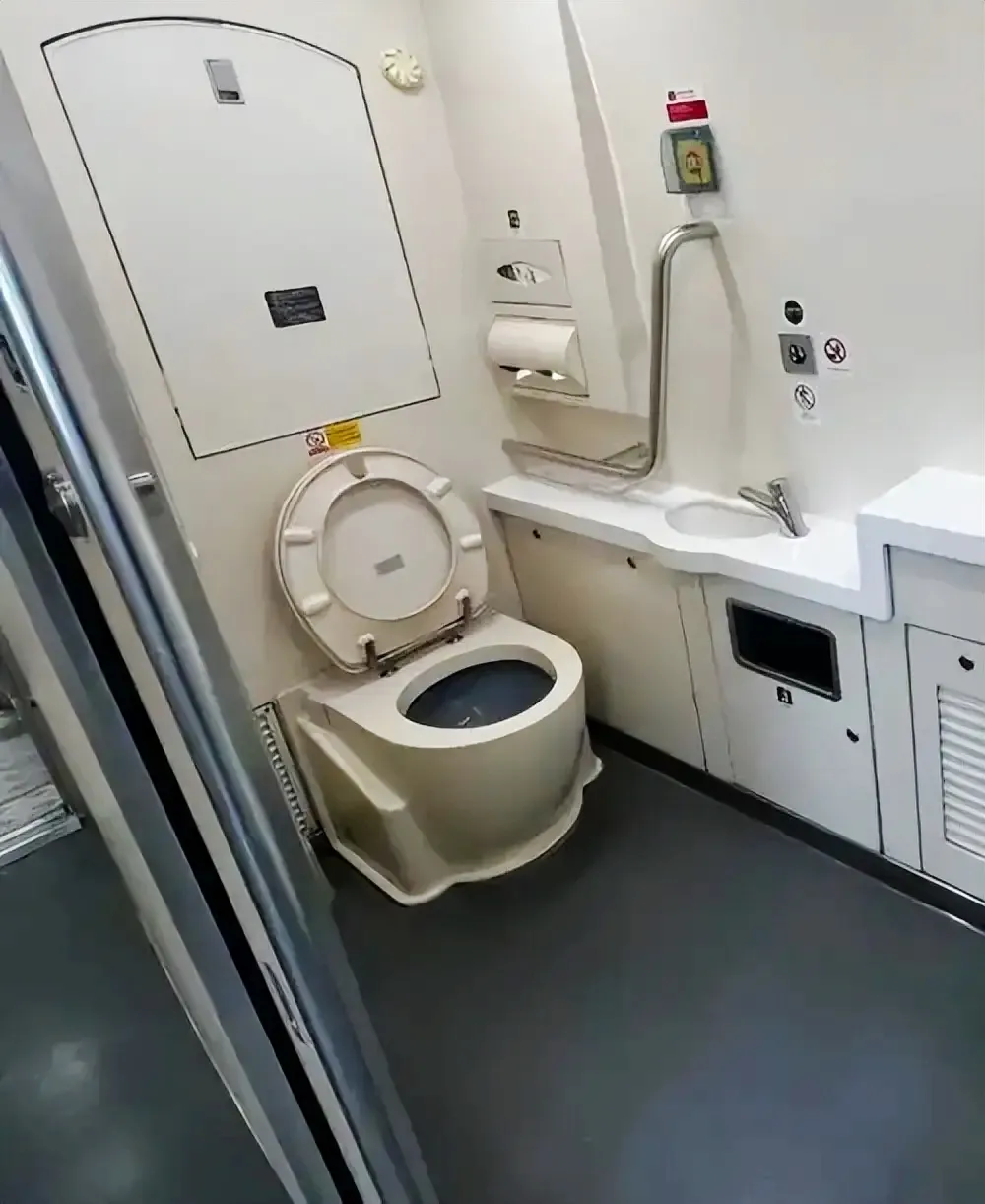
Every G-train and D-train has clean, modern restrooms at both ends of each carriage. They're Western-style sit-down toilets (not squat), with automatic flush, toilet paper, and hand sanitizer. The space is compact but functional — about the size of an airplane lavatory, maybe slightly larger.
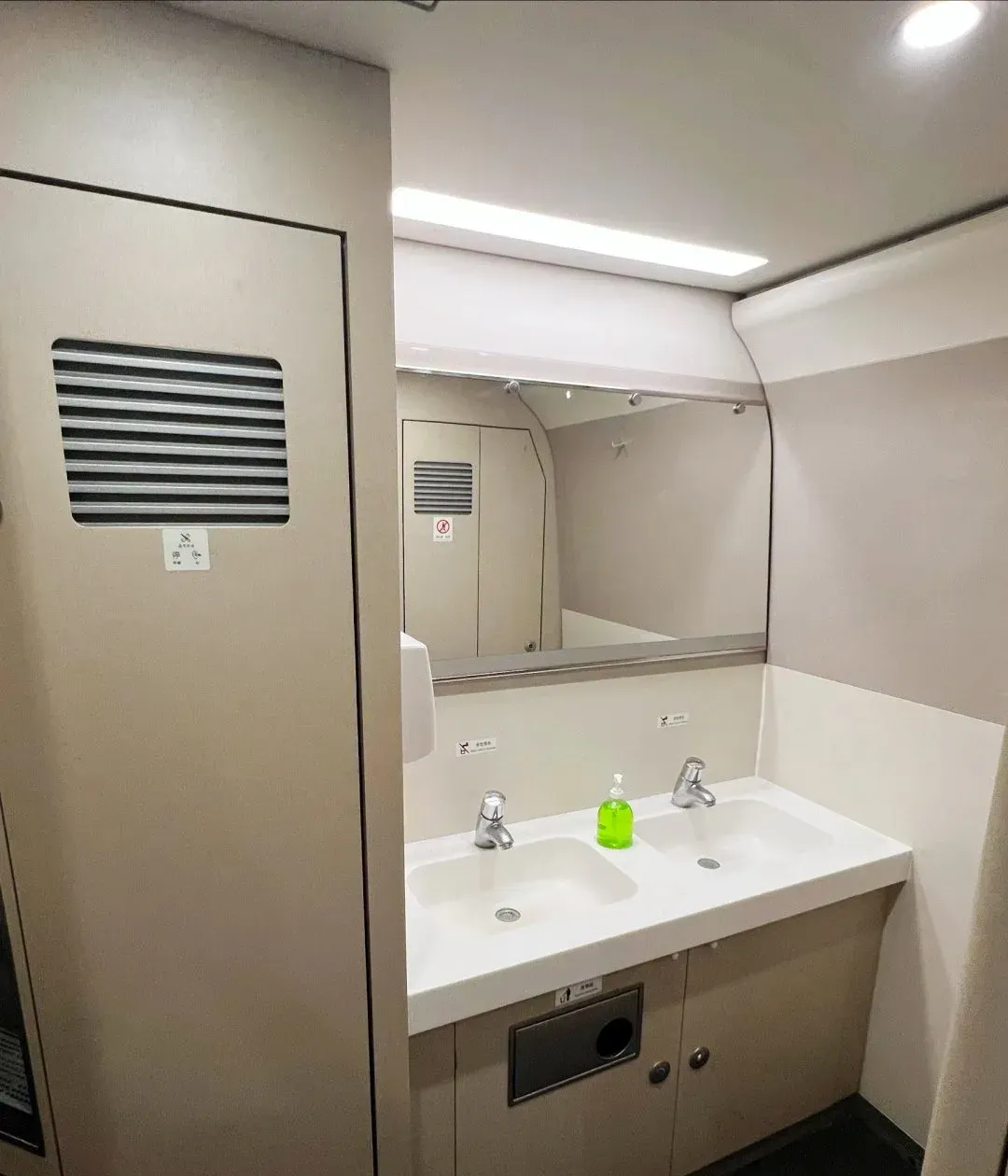
Outside the restroom door you'll find a shared wash basin area with running water, soap dispenser, and a mirror. Some newer Fuxing trains have hot water available at the basin. There's also a separate hot water dispenser in each carriage for filling thermoses or making instant noodles — a Chinese train tradition you'll see everywhere.
A few things to know:
- Restrooms lock automatically when the train is stopped at a station (to prevent waste on tracks). Use them between stations.
- First class and business class carriages have slightly larger restrooms, sometimes with a separate baby-changing area.
- On conventional K/T trains, restrooms are older and less clean. Bring your own tissue and hand sanitizer.
- There's usually one accessible restroom per train (wider door, grab bars) — look for the wheelchair symbol.
Which Seat Should You Book?
Here's our team's recommendation based on thousands of bookings:
| Journey Type | Our Pick | Why |
|---|---|---|
| Under 3 hours (G-train) | Second Class | Comfortable enough, best value |
| 3–5 hours (G-train) | First Class | Worth the 30% premium for legroom |
| 5+ hours (G-train) | First Class or Business | Your back will thank you |
| Overnight (D-train) | D-train Sleeper | Save a hotel night, arrive fresh |
| Overnight (K/T/Z) | Soft Sleeper | Private, secure, actually restful |
| Budget overnight | Hard Sleeper (lower berth) | Authentic experience, decent sleep |
8-Car Seat Map: Where to Sit
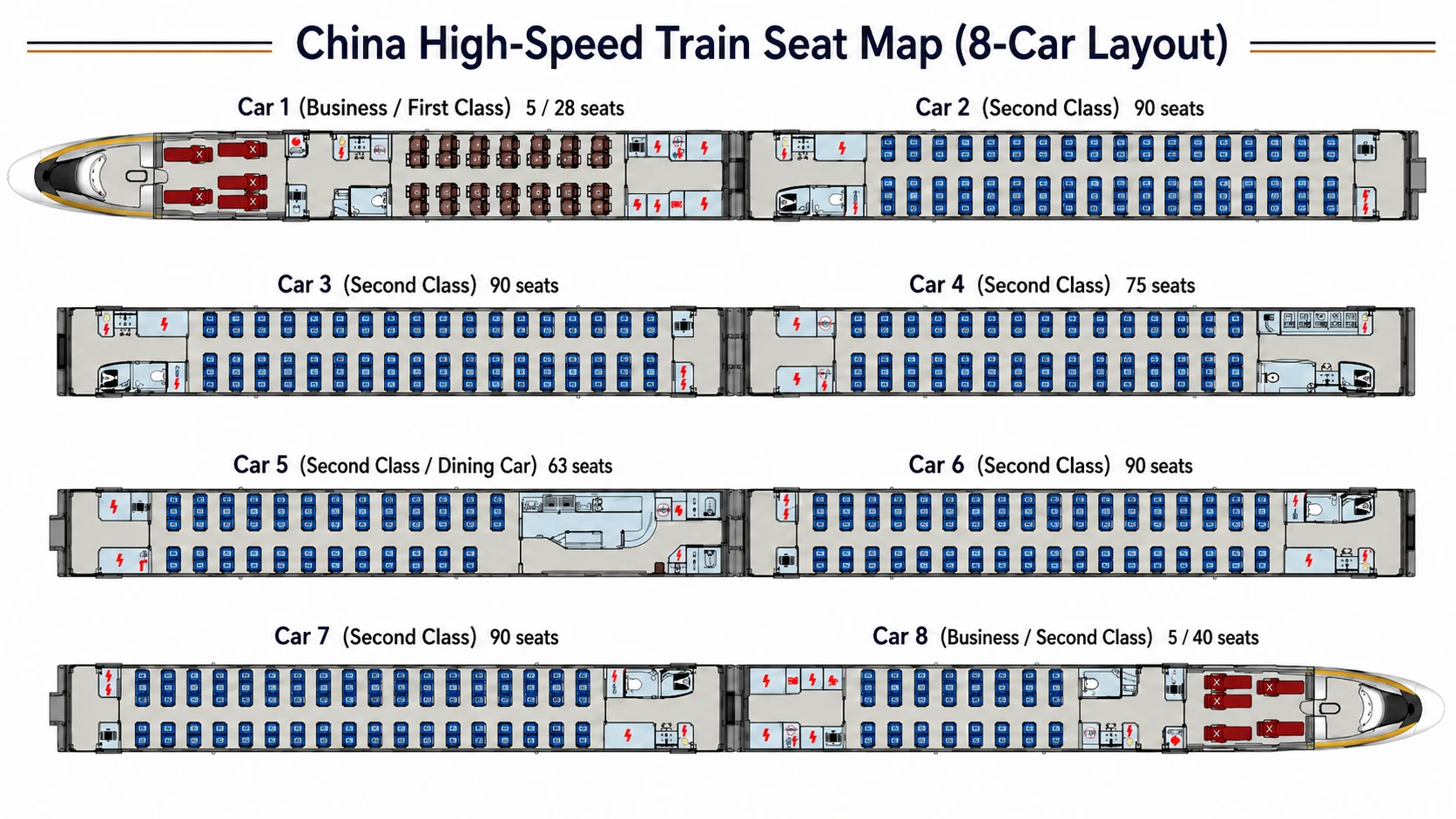
Most G-trains run with 8 or 16 carriages (16-car trains are essentially two 8-car sets coupled together). Here's how a standard 8-car Fuxing CR400 is laid out:
- Car 1: Business Class + First Class (商务座 + 一等座). The front of the train. Fewest seats, most space. On 16-car trains, car 1 and car 16 are both business class.
- Car 2: Second class (二等座). Sometimes mixed with a few premium first class rows at the front.
- Cars 3–7: Second class. This is where most passengers sit. Car 5 usually has the dining car / hot water station.
- Car 8: Business Class + Second Class. The rear of the train. Slightly fewer seats to make room for wheelchair space and a larger restroom.
Practical tips based on this layout:
- Quiet end: Cars 1–2 are quieter (fewer passengers, no through-traffic to dining car). If you're in second class, car 3 is the quietest option.
- Near the exit: Check which end of the platform your station exit is at. In Beijing South, the exit is at the rear — so car 7–8 means a shorter walk. In Shanghai Hongqiao, it's the opposite.
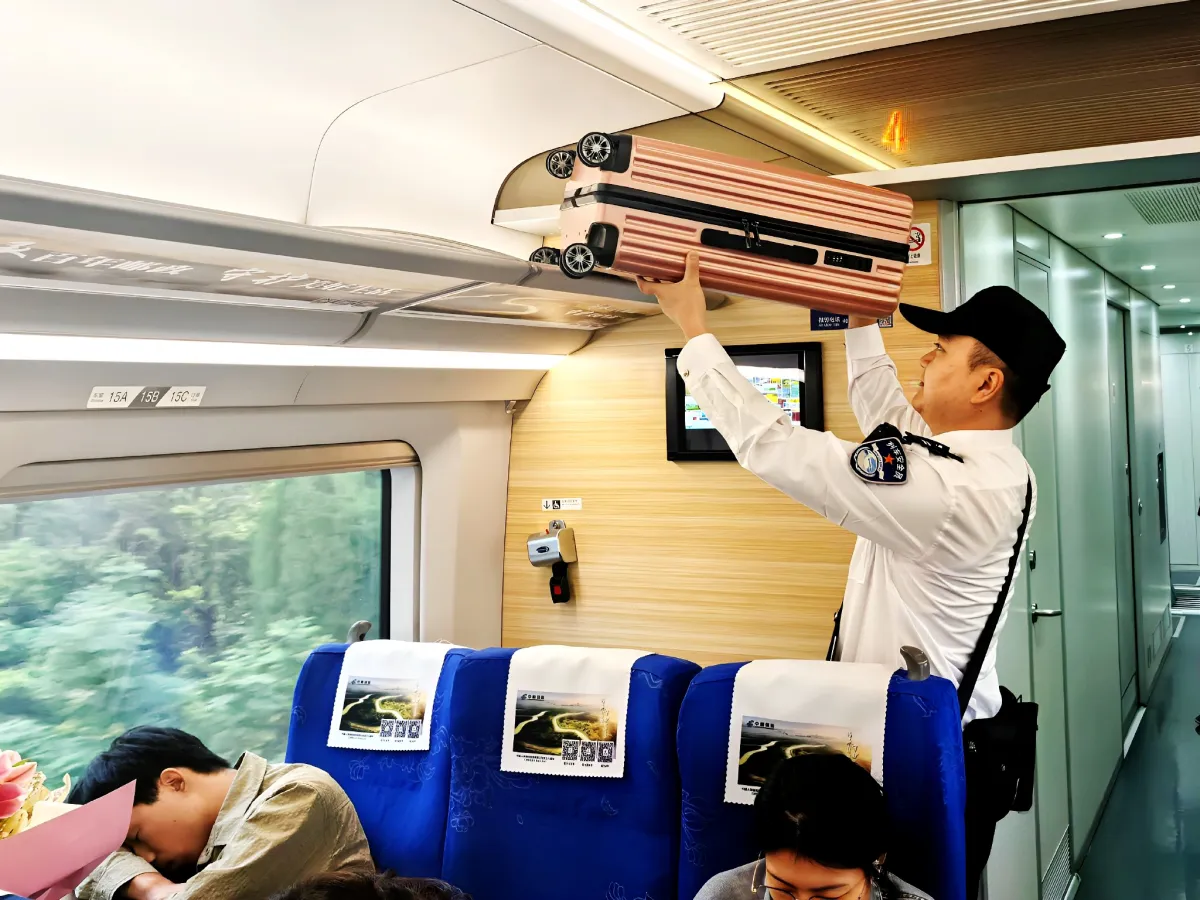
- Luggage space: Every car has overhead racks + a large luggage shelf at one end. If you have big bags, grab a seat near that shelf (usually rows 1–3 or the last few rows).
- Power outlets: Every seat has one — between two seats at floor level, or under the armrest on newer trains. No need to pick a specific seat for charging.
Seat Letter Codes: Window or Aisle?
When you get your ticket, the seat number includes a letter:
| Class | Layout | Window | Aisle | Middle |
|---|---|---|---|---|
| Second Class (5 seats) | A B C | D F | A, F | C, D | B |
| First Class (4 seats) | A C | D F | A, F | C, D | — |
| Business Class (3 seats) | A C | F | A, F | C | — |
Want a window? Pick A or F. Want easy access to the aisle? Pick C or D. Traveling with a partner in second class? Book D and F (the two-seat side) to avoid a stranger between you.
Tips From Our Team
- Book 3–5 days ahead during holidays. Business class and soft sleeper sell out first.
- Bring your passport — you need it to enter the station and board.
- Arrive 30 minutes early. Security screening + ticket gates take time.
- Power outlets: every seat on G/D trains has one (between seats or under the armrest). Bring a charger.
- Food: there's a dining car, but it's overpriced. Buy snacks and drinks at the station convenience store before boarding.
- Luggage: no strict weight limit, but overhead racks fit standard carry-on suitcases. Larger bags go at the end of the carriage.